Best Flowers for Every Occasion (Who Should You Give What?)
Let’s be honest: We’ve all been there. Standing in front of a blooming display at the florist, or scrolling through an online flower shop, staring at rows of roses, lilies, tulips, and peonies—all beautiful, but all carrying unspoken messages we’re terrified of misinterpreting. Do you give red roses to a new crush? White lilies to a friend who’s sick? Sunflowers to a colleague celebrating a promotion? The pressure is real, and it’s not just about picking something pretty. Flowers are a language of their own, a silent way to say “I love you,” “I’m sorry,” “Congratulations,” or “I’m here for you”—and getting that language wrong can turn a thoughtful gesture into an awkward misstep.
As someone who’s spent years navigating the ins and outs of floral gifting (and yes, made my fair share of mistakes—RIP to the time I gave my boss a bouquet of red roses on her birthday), I’m here to demystify the art of choosing the perfect flowers for every occasion. This isn’t just a list of “what to give”—it’s a deep dive into the meanings behind the blooms, the cultural nuances you need to know (looking at you, France and your菊花禁忌!), and how to tailor your bouquet to the person you’re gifting, whether it’s your partner, parent, friend, or coworker. By the end of this guide, you’ll be gifting flowers with confidence, knowing that every petal is sending exactly the message you want to convey.
First, let’s start with the basics: floriography—the language of flowers. This isn’t a modern trend; it’s a tradition that dates back centuries, with roots in Ottoman Turkey and a boom during the Victorian era, when people used flowers to send coded messages they couldn’t say aloud in polite society. Back then, a single bloom could say more than a thousand words: a red rose for passionate love, a daisy for innocence, a lily for purity. Today, those meanings still hold weight, but they’ve evolved to fit our modern lives. And while some rules are flexible, others are non-negotiable (trust me, you don’t want to accidentally send a funeral flower to a birthday party).
In this guide, we’ll break down the most common occasions, the best flowers to choose for each, and who (and who not) to give them to. We’ll cover everything from romantic gestures to sympathy, birthdays to housewarmings, and even those tricky “just because” moments. Plus, we’ll dive into regional nuances—because what’s acceptable in the U.S. might be a faux pas in France or Germany—and share pro tips to make your bouquet stand out (spoiler: it’s not just about the flowers themselves).
The Foundation: Understanding Flower Meanings (Your Go-To Flowers Meaning Guide)
Before we jump into specific occasions, let’s build a foundation with the most popular flowers and their core meanings. This is your cheat sheet—memorize a few, and you’ll never second-guess your choice again. Keep in mind that color plays a huge role too; a white rose means something very different from a yellow one, and a red tulip isn’t the same as a purple one.
Roses: The Universal Symbol of Love (But Not Just Romantic Love)
Roses are the most iconic flowers in the Western world—named the national flower of both the U.S. and the UK—and for good reason. But they’re not just for Valentine’s Day. The color of the rose changes everything:
- Red Roses: Passion, deep love, and devotion. Perfect for romantic partners—spouses, significant others, or someone you’re head over heels for. Avoid giving red roses to friends, coworkers, or family members (unless it’s your parent, and you’re expressing deep love and gratitude—but even then, proceed with caution).
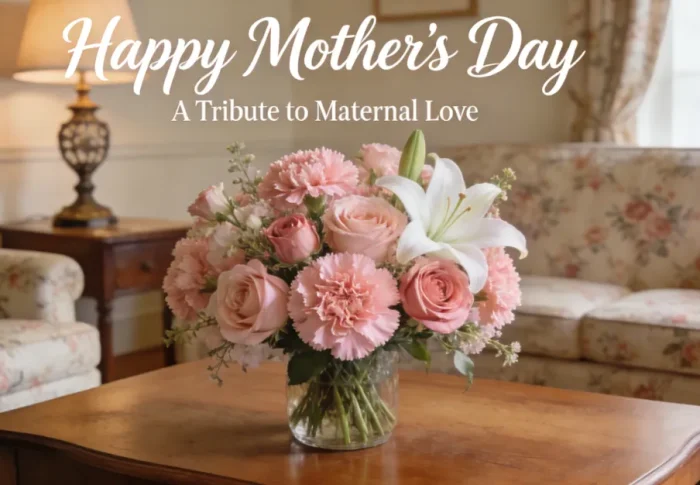
- Pink Roses: Gentle affection, admiration, and joy. These are safer than red roses and work for a variety of relationships: friends, family, partners (especially for new relationships or to say “I appreciate you”), and even coworkers (in moderation). Light pink is sweet and innocent; dark pink is more heartfelt and grateful.
- White Roses: Purity, peace, and new beginnings. Great for weddings (bridesmaids’ bouquets, centerpieces), baby showers, or to express sympathy (more on that later). They’re also a lovely choice for a friend who’s starting a new chapter—like a new job or a move.
- Yellow Roses: Friendship, happiness, and positivity. Once associated with jealousy (thank you, Victorian era!), yellow roses now symbolize joy and platonic love. Perfect for friends, coworkers, or family members celebrating a happy occasion—like a promotion, graduation, or just a bad day that needs a pick-me-up.
- Orange Roses: Enthusiasm, energy, and excitement. Great for someone celebrating a big achievement—like a new job, graduation, or retirement. They’re vibrant and cheerful, making them a great alternative to red or pink if you want to avoid romance.
Tulips: Elegant and Versatile (Perfect for Every Season)
Tulips are a staple in European and North American floral arrangements, thanks to their sleek, elegant shape and wide range of colors. Originating from the Ottoman Empire, they became a symbol of Dutch national pride and are now associated with perfect love. Here’s what their colors mean:
- Red Tulips: True love and passion (similar to red roses, but a bit softer). Great for romantic partners, especially if you want something less cliché than roses.
- Pink Tulips: Affection and care. Perfect for friends, family, or a new partner—they’re sweet without being overly romantic.
- Yellow Tulips: Cheerfulness and friendship. A great choice for brightening someone’s day, whether it’s a friend who’s having a tough week or a coworker celebrating a win.
- White Tulips: Purity and forgiveness. Ideal for saying “I’m sorry” or for a sympathy bouquet (they’re less somber than lilies but still respectful).
- Purple Tulips: Royalty, admiration, and respect. Perfect for someone you look up to—like a mentor, parent, or boss. They’re elegant and sophisticated, making them a great choice for formal occasions.
Lilies: Graceful and Meaningful (But Watch the Occasion)
Lilies are known for their large, showy blooms and sweet fragrance—and they’re loaded with symbolism. In France, the lily (fleur-de-lis) is a symbol of royalty, light, and freedom, dating back to the 12th century when it became the country’s national emblem. But they’re not one-size-fits-all:
- White Lilies: Purity, innocence, and resurrection. These are most commonly used for sympathy and funerals (especially in Catholic traditions, where they symbolize the Virgin Mary and the soul’s return to peace). They’re also beautiful for weddings, but avoid giving them to someone who’s sick—they’re often associated with death in some contexts.
- Pink Lilies: Admiration and gratitude. Great for friends, family, or partners to say “I appreciate you.” They’re softer than white lilies and more versatile.
- Stargazer Lilies: Passion and ambition. These bold, pink-and-white blooms are perfect for romantic partners or someone celebrating a big achievement—they’re eye-catching and full of energy.
Peonies: Luxury and Romance (For the Most Special Occasions)
Peonies are a favorite among floral lovers for their big, fluffy blooms and soft colors. They’re associated with luxury, romance, and prosperity—and they’re often more expensive than other flowers, making them perfect for milestone occasions. Their meanings include:
- Pink Peonies: Romance, prosperity, and good fortune. Perfect for Valentine’s Day, anniversaries, or to celebrate a new relationship. They’re also a lovely choice for a bridal bouquet.
- White Peonies: Purity and innocence. Great for weddings, baby showers, or to express sympathy (though they’re less common than white lilies for funerals).
- Red Peonies: Passion and love. A bold alternative to red roses for romantic partners—they’re more unique and just as meaningful.
Sunflowers: Joy and Positivity (The Ultimate Pick-Me-Up)
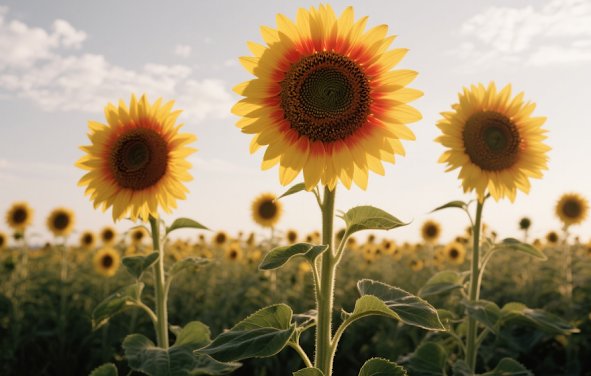
Sunflowers are impossible to ignore—their bright yellow petals and large, cheerful blooms instantly lift the mood. They symbolize happiness, loyalty, and adoration, and they’re perfect for almost any happy occasion. Unlike roses or lilies, sunflowers are almost always platonic (unless you pair them with red roses, which adds a romantic twist). They’re great for friends, family, coworkers, or anyone who needs a little joy in their day.
Carnations: Versatile and Long-Lasting (The Unsung Hero)
Carnations are often overlooked, but they’re one of the most versatile flowers out there—and they’re long-lasting, making them a great value. In many European countries, including Italy and Poland, carnations are a popular choice for礼仪 flowers, with red carnations symbolizing炽热 love and a single carnation sometimes meaning contempt (so be careful with quantity!). Here’s what their colors mean:
- Red Carnations: Deep love and admiration. Perfect for romantic partners, parents, or mentors.
- Pink Carnations: Gratitude and affection. Great for friends, family, or coworkers—they’re sweet and understated.
- White Carnations: Purity and sympathy. A great alternative to white lilies for funerals or to say “I’m sorry.”
- Yellow Carnations: Joy and friendship. Perfect for brightening someone’s day or celebrating a happy occasion.
Flowers for Different Occasions: Your Ultimate Guide
Now that we’ve covered the basics of flower meanings, let’s dive into specific occasions. For each, we’ll break down the best flowers to choose, who to give them to, and what to avoid. Remember: The key is to match the flower to the occasion and the relationship—you wouldn’t give the same bouquet to your spouse as you would to your boss, and you wouldn’t give a sympathy bouquet to someone celebrating a birthday.
1. Romantic Occasions: Valentine’s Day, Anniversaries, First Dates, and “I Love You” Moments
Romantic occasions are where flower meanings matter most—you want to send a clear message of love, passion, or affection without being too over-the-top (unless that’s your vibe!). Here’s what to choose:
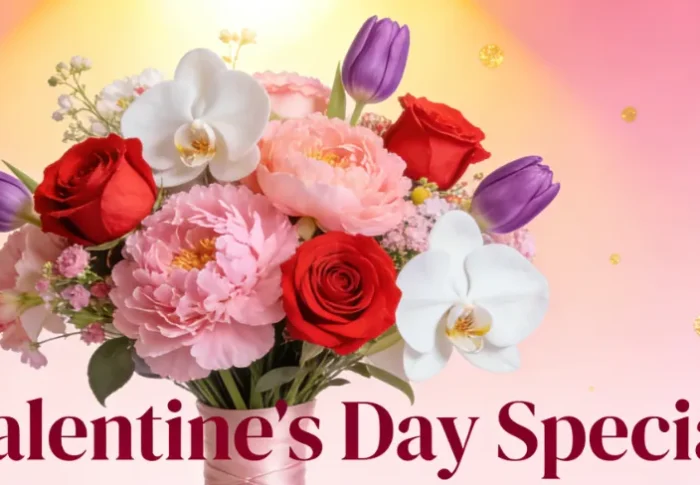
- Valentine’s Day: Red roses are the classic choice, and for good reason—they symbolize deep, passionate love. But if you want to stand out, opt for red tulips, pink peonies, or stargazer lilies. Avoid yellow roses (friendship) or white lilies (sympathy). For a new relationship, pink roses or tulips are safer than red—they’re romantic without being too intense.
- Anniversaries: The traditional anniversary flowers change by year, and they’re a beautiful way to celebrate the growth of your relationship. Here’s a quick breakdown:
- 1st Anniversary: Carnations (symbolizing young, passionate love and new beginnings)
- 5th Anniversary: Daisies (purity and innocence of your early years together)
- 10th Anniversary: Daffodils (joy and rebirth, celebrating a decade of growth)
- 25th Anniversary: Irises (faith and wisdom, honoring a long-lasting bond)
- 30th Anniversary: Lilies (devotion and beauty of a enduring marriage)
- 50th Anniversary: Yellow roses and violets (endurance and warmth of 50 years together)
- First Dates: Keep it simple and sweet—avoid red roses (they can be too intense). Opt for a small bouquet of pink roses, tulips, or daisies. The goal is to show you put thought into it without overwhelming them.
- “I Love You” for the First Time: Red roses are perfect here, but if you want something more personal, choose their favorite flower (if you know it) paired with a handwritten note. Peonies or stargazer lilies are also great—they’re romantic and memorable.
Pro Tip: Add a personal touch! If your partner loves a specific flower (even if it’s not “romantic”), choose that— it shows you pay attention. For example, if they love sunflowers, pair a few sunflowers with a single red rose to add romance.
2. Birthdays: Celebrating Life and Joy
Birthdays are all about joy, celebration, and making the person feel special. The best flowers for birthdays are bright, cheerful, and tailored to their personality. Here’s how to choose:
- For a Partner: Red or pink roses, peonies, or stargazer lilies. If they’re not into traditional romantic flowers, opt for their favorite bloom—sunflowers, tulips, or even orchids (elegant and sophisticated).
- For a Friend: Sunflowers, yellow roses, daisies, or pink tulips. These are cheerful and platonic, perfect for celebrating your friendship. If your friend has a favorite color, choose flowers in that shade— it’s a simple way to make the bouquet feel personal.
- For a Parent: Carnations (red or pink for love and admiration), lilies (pink or white for gratitude), or roses (their favorite color). Parents appreciate thoughtfulness, so adding a note about why you chose those flowers (e.g., “These pink carnations remind me of the ones you used to grow in our garden”) will make it extra special.
- For a Coworker or Acquaintance: Keep it professional and cheerful—yellow roses, white or pink tulips, or a small bouquet of carnations. Avoid red roses (too romantic) or large, overly elaborate arrangements (they can be awkward in a work setting).
- For a Child: Bright, colorful flowers like daisies, sunflowers, or small roses. Avoid flowers with strong fragrances (like lilies) or thorns (for young kids). A small, simple bouquet is perfect—they’ll love the color and the attention.
Bonus: Use birth month flowers! Each month has a designated flower, and it’s a unique way to personalize the gift: January: Carnation (love, admiration)February: Violet (loyalty, wisdom)March: Daffodil (new beginnings, joy)April: Daisy (innocence, positivity)May: Lily of the Valley (happiness, sweetness)June: Rose (love, passion)July: Larkspur (strong bonds, grace)August: Gladiolus (strength, honor)September: Aster (wisdom, patience)October: Marigold (warmth, joy)November: Chrysanthemum (gratitude, loyalty)December: Poinsettia (joy, celebration)
3. Sympathy and Funerals: Honoring Loss with Dignity
Sympathy flowers are a way to express condolences, offer comfort, and honor the memory of a loved one. This is one occasion where you need to be extra careful—certain flowers and colors are considered inappropriate, and cultural nuances matter. Here’s what to choose (and avoid):
- Best Flowers for Sympathy: White lilies (purity, resurrection), white roses (peace, remembrance), white carnations (purity, sympathy), chrysanthemums (gratitude, loyalty—though note that in France, Italy, and Spain, chrysanthemums are only used for funerals, so avoid them for other occasions!). Gladioli are also a good choice—they symbolize strength and courage, which is comforting for the grieving family.
- Who to Give Them To: The immediate family of the deceased (spouse, children, parents, siblings). If you’re a friend or acquaintance, a small bouquet or a potted plant (like a peace lily) is appropriate—large arrangements are usually reserved for close family.
- What to Avoid: Bright, cheerful colors (yellow, orange, bright pink)—they can seem insensitive. Red roses (too romantic) and sunflowers (too upbeat) are also best avoided. In some cultures, even numbers of flowers are reserved for funerals (e.g., Russia), while odd numbers are for celebrations—so check the family’s background if you can.
- Pro Tip: Add a handwritten note with a heartfelt message—something like “I’m so sorry for your loss. You’re in my thoughts and prayers.” Avoid clichés like “Everything happens for a reason”—keep it simple and sincere.
4. Celebrations: Graduations, Promotions, Housewarmings, and New Beginnings
These occasions are all about joy, achievement, and new chapters. The best flowers are bright, energetic, and symbolize growth, success, or new beginnings. Here’s what to choose:
- Graduations: Sunflowers (joy, success), orange roses (enthusiasm, achievement), gladioli (strength, honor), or daffodils (new beginnings). These flowers are cheerful and celebrate the graduate’s hard work and future ahead. A bouquet of their birth month flower is also a nice touch.
- Promotions or New Jobs: Yellow roses (happiness, friendship), orange tulips (energy, excitement), or lilies (success, prosperity). Keep it professional but cheerful—avoid overly romantic flowers. A small bouquet is perfect for the office.
- Housewarmings: Flowers that symbolize warmth, prosperity, and making a house a home. Sunflowers (joy), peonies (prosperity), lilies (purity), or even a potted plant (like a succulent or orchid) that they can keep long-term. Avoid white lilies (sympathy) or overly fragrant flowers (they might be overwhelming in a new home).
- New Babies/Baby Showers: White or pink roses (purity, new beginnings), daisies (innocence), or lilies (sweetness). For a baby girl, pink flowers; for a baby boy, blue flowers (if you know the gender). Avoid strong fragrances (they can bother babies) and thorns.
5. Apologies: Saying “I’m Sorry” with Sincerity
When you’ve made a mistake, flowers can help convey your remorse and desire to make things right. The key is to choose flowers that symbolize forgiveness, humility, and sincerity. Here’s what to choose:
- Best Flowers for Apologies: White tulips (forgiveness), white roses (purity, sincerity), or pink carnations (gratitude, remorse). Avoid red roses (too romantic) or yellow roses (friendship—they might not convey the seriousness of your apology).
- Who to Give Them To: Anyone you’ve hurt—partner, friend, family member, coworker. The bouquet should be small and simple—no need for anything elaborate. The note is just as important as the flowers—be specific about what you’re sorry for and how you plan to do better.
6. “Just Because” Moments: Spontaneous Gestures of Love and Appreciation
The best flower gestures are often the ones that aren’t tied to a specific occasion. A “just because” bouquet shows someone you’re thinking of them, and it can brighten their day in ways you can’t imagine. Here’s what to choose:
- For a Partner: Their favorite flower, or a mix of pink roses and peonies (romantic but not overwhelming). Add a small note that says “I was thinking of you” or “You make my day better.”
- For a Friend: Sunflowers, yellow roses, or daisies—cheerful and platonic. Perfect for a friend who’s having a tough week, or just because you appreciate their friendship.
- For a Parent: Carnations (their favorite color), or a mix of lilies and roses. A “just because” bouquet for a parent is a sweet way to say “I love you” without a special occasion.
- For a Coworker: A small bouquet of white or pink tulips, or yellow carnations. It’s a nice way to say “Thank you for your help” or “I appreciate you.”
Cultural Nuances: What You Need to Know (Avoid These Faux Pas!)
Flower gifting isn’t one-size-fits-all—different countries and cultures have their own traditions and taboos. If you’re gifting flowers to someone from a different cultural background, or if you’re traveling abroad, here are some key things to keep in mind:
- France: Lilies are a symbol of royalty and light, but (chrysanthemums) are only used for funerals—never give them as a gift for a happy occasion. Red roses are for romantic love, and pink roses are for friendship. Avoid giving carnations to someone you don’t know well—they can have negative connotations in some contexts.
- Germany: Like France, chrysanthemums are for funerals. Germans also giving red roses to a friend’s wife—they symbolize romantic love. White or muted-colored arrangements are preferred for formal occasions, and adding a ribbon with a condolence message is common for sympathy.
- Italy: Carnations are a favorite (they’re the top cut flower in the country!), but are for funerals. Red roses are for romantic love, and pink roses are for friendship. Avoid giving large bouquets—Italians prefer small, elegant arrangements.
- Russia: Odd numbers of flowers are for celebrations, even numbers are for funerals—this is a hard and fast rule! Tulips and roses are popular, but avoid (roses with thorns) as they symbolize. Purple flowers are associated with nobility and respect.
- Spain: Tulips and roses are symbols of joy and celebration, but and (dahlias) are considered unlucky—avoid them for happy occasions. On April 23 (Book Day), it’s tradition to give a rose with a book to someone you love.
- United States and UK: Red roses are for romantic love, yellow roses for friendship, and white lilies for sympathy. There are fewer taboos here, but avoid giving white lilies to someone who’s sick, and keep arrangements appropriate for the setting (e.g., small bouquets in the office).
Pro Tips for Gifting Flowers Like a Pro
Now that you know what flowers to give for every occasion, here are some pro tips to make your bouquet stand out and ensure it’s well-received:
- Choose Fresh Flowers: There’s nothing worse than a bouquet that wilts within a day. Look for flowers with firm stems, vibrant petals, and no signs of browning. If you’re ordering online, choose a reputable florist that guarantees fresh delivery.
- Pay Attention to Quantity: The number of flowers in a bouquet matters! A single rose symbolizes true love, a dozen roses are for deep romance, and three flowers are for “I love you” (in many cultures). For casual occasions, 5-7 flowers are perfect—anything more can be overwhelming.
- Add Greenery: Greenery (like eucalyptus, ferns, or baby’s breath) adds texture and elegance to a bouquet. It also makes the flowers look fuller and more expensive—without actually spending more.
- Pair with a Handwritten Note: Flowers are beautiful, but a handwritten note takes the gesture to the next level. Keep it simple and sincere—no need for fancy words. Even a short message like “You mean the world to me” or “I’m so proud of you” will make someone’s day.
- Consider the Recipient’s Preferences: If you know someone hates roses, don’t give them roses! Pay attention to their favorite flowers, colors, and even their allergies (if they’re allergic to strong fragrances, choose tulips or orchids instead of lilies or jasmine).
- Timing Matters: For romantic occasions (Valentine’s Day, anniversaries), deliver flowers early in the day to surprise them. For sympathy, deliver flowers within a few days of the loss. For “just because” moments, deliver them when they least expect it—like a random Tuesday afternoon.
Final Thoughts: Flowers Are About Heart, Not Perfection
At the end of the day, the best flower gift isn’t about choosing the “perfect” bloom or following every rule—it’s about showing someone you care. Whether you’re giving a single daisy to a friend or a bouquet of peonies to your spouse, the thought and effort you put into it will shine through. Remember: The language of flowers is a guide, not a strict set of rules. If you’re unsure, go with their favorite flower—they’ll appreciate the thought more than any “correct” bouquet.
So the next time you’re standing in front of that floral display, take a deep breath. You’ve got this. Use this guide, trust your instincts, and let the flowers do the talking. After all, there’s no better way to express love, gratitude, sympathy, or joy than with a beautiful bouquet—one that says exactly what you want to say, without a single word.
Now go forth and gift flowers with confidence. And if you make a mistake? Don’t worry—we’ve all been there. Just laugh it off, and try again. The person you’re gifting will appreciate the effort, I promise.