How to Keep Flowers Fresh Longer (Proven Florist Techniques)
There’s nothing quite like walking into your home and being greeted by a vibrant bouquet of fresh flowers—whether it’s aluxury bouquet of roses from your partner, a cheerful mix of daisies from the farmers’ market, or a handful of wildflowers you picked on a weekend hike. But let’s be honest: few things are more disappointing than watching those once-bright blooms wilt, droop, and fade within just a day or two. I’ve spent over a decade working as a florist in downtown Chicago, and I’ve lost count of how many customers have walked through my door asking the same question: “How do you keep flowers looking fresh for so long?”
The good news? Keeping flowers fresh isn’t some magical secret reserved for professional florists. It’s a mix of simple science, careful handling, and a few tried-and-true tricks that I’ve perfected over the years—tricks that I’m sharing with you today. Whether you’re someone who splurges on a weekly bouquet to brighten your workspace, or you’re preparing flowers for a special occasion (think birthdays, anniversaries, or even a wedding), these proven techniques will help you make your blooms last 5, 7, even 10 days longer than usual. No fancy equipment required—just a little patience and attention to detail.
First, let’s get one thing straight: the key to keeping flowers fresh is preventing decay. When you cut a flower from its plant, it loses its main source of water and nutrients. From that moment on, it’s in a race against time—bacteria will start to grow in the water, stems will clog, and petals will lose their turgor (that crisp, vibrant look we all love). Our job? Slow down that process as much as possible. Let’s dive into the step-by-step techniques that I use every day in my shop to keep flowers looking their best.
Step 1: Choose Fresh Flowers (It All Starts at the Source)
You can do everything right, but if you start with wilted or low-quality flowers, you’ll be fighting an uphill battle. As a florist, I know how to spot fresh blooms—and once you learn these cues, you will too. Here’s what to look for when buying flowers, whether you’re at the grocery store, a farmers’ market, or a specialty flower shop:
- Stems: Look for firm, green stems that aren’t mushy, slimy, or discolored. If you gently squeeze a stem and it bends easily or feels soft, it’s already past its prime. Fresh stems should feel sturdy and full of water.
- Leaves: Leaves should be bright green, crisp, and free of yellowing, browning, or spots. Wilted or yellow leaves are a sign that the flower is already dehydrated or starting to decay.
- Petals: Petals should be vibrant, with no wilting, bruising, or edge browning. For roses, check the outer “guard petals”—these are the tough, often slightly discolored petals that protect the bloom. A few guard petals are normal, but if most of the petals look tired, move on.
- Bud Stage: For most flowers (like roses, lilies, and carnations), choose buds that are just starting to open. Fully bloomed flowers will fade much faster—they’re already at the peak of their life cycle. Buds will open slowly over the next few days, giving you more time to enjoy them.
Pro Tip: If you’re buying flowers from a grocery store, check the water in the display vase. If it’s cloudy, smelly, or stagnant, the flowers have been sitting there too long. Ask a store employee to get you a fresh bouquet from the back—they often have newer stock hidden away.
Also, keep in mind the difference between US and European flower preferences—something I’ve noticed from working with international suppliers. In the US, bouquets are often larger (50cm diameter or more) with bright, bold colors, and they’re usually displayed in refrigerated cases to keep them fresh longer. In Europe, bouquets are smaller (30-35cm diameter) with softer tones, and they’re often placed based on sales data rather than refrigeration. No matter where you buy your flowers, the freshness cues remain the same—firm stems, bright leaves, and tight buds are always a win.
Step 2: Prep Your Flowers Immediately (Don’t Wait!)
One of the biggest mistakes people make is bringing flowers home, tossing them in a vase, and calling it a day. But flowers need a little TLC as soon as you get them—delaying prep can cut their lifespan in half. Here’s what to do as soon as you walk through the door:
Trim the Stems (The Right Way)
Trimming stems is more than just cutting off the bottom—it’s about creating a clean, fresh surface for water absorption. Here’s the florist-approved method:
- Fill a clean sink or bowl with room-temperature water. You’ll want to trim the stems under water—this prevents air bubbles from getting stuck in the stem, which can block water uptake (a common cause of wilting).
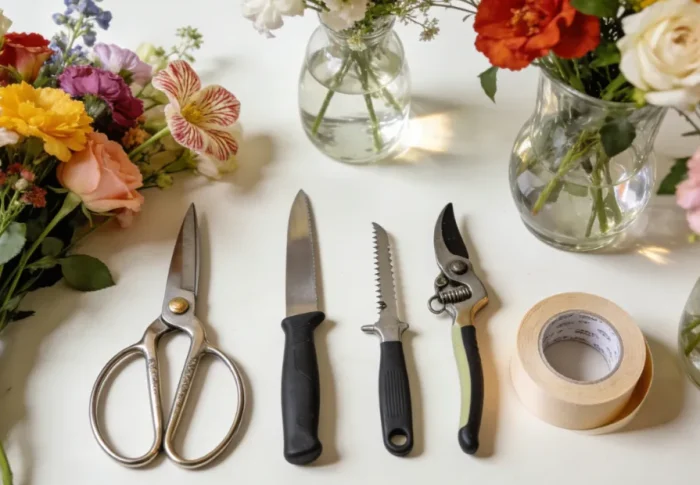
- Use a sharp, clean pair of floral scissors or a knife—never household scissors! Household scissors crush the stems, which clogs the vascular system and prevents water from flowing up to the petals. Floral scissors are designed to make a clean, smooth cut that keeps the stem open.
- Cut the stems at a 45-degree angle, removing 1-2 inches from the bottom. The angled cut increases the surface area of the stem, allowing it to absorb more water. For woody stems (like hydrangeas, lilacs, or roses), make a small slit up the center of the stem (about 1 inch) to help water penetrate deeper.
- Re-trim the stems every 2-3 days. As the stem sits in water, the bottom will start to clog with bacteria, so a fresh cut ensures optimal water uptake. Always trim under water to avoid air bubbles.
Remove Foliage Below the Waterline
Any leaves that sit below the waterline will rot, which creates bacteria that shortens the life of your flowers. Take a few minutes to pluck off any leaves that will be submerged in the vase—this includes lower leaves on the stem, as well as any yellow or wilted leaves. For roses, gently remove the outer guard petals (they’re meant to protect the bloom during transport, but they’ll start to decay quickly in water).
Pro Tip: Be gentle when handling petals and leaves—bruising can cause premature wilting. I always tell my customers: treat flowers like you’d treat a delicate piece of jewelry.
Step 3: Choose the Right Vase (Size and Cleanliness Matter)
The vase you use can make a big difference in how long your flowers last. Here’s what to look for:
Size Matters
Choose a vase that’s tall enough to support the stems—ideally, the vase should be about half the height of the flowers. If the vase is too short, the stems will lean over, and the flowers won’t get enough support. If it’s too tall, the water won’t reach the upper parts of the stem, leading to dehydration. For large bouquets (like the ones popular in the US), opt for a wide, sturdy vase that can hold the weight of the flowers without tipping over.
Cleanliness Is Non-Negotiable
Bacteria is the number one enemy of fresh flowers—and a dirty vase is a breeding ground for it. Even if your vase looks clean, it probably has hidden bacteria from previous bouquets. Here’s how to clean it properly:
- Wash the vase with hot, soapy water, using a bottle brush to scrub the inside (pay special attention to the bottom and any crevices where bacteria can hide).
- Rinse the vase thoroughly to remove any soap residue—soap can be toxic to flowers.
- For an extra deep clean, soak the vase in a mixture of 1 part bleach to 10 parts water for 10 minutes, then rinse again. This kills any remaining bacteria.
Pro Tip: Never reuse water from a previous bouquet. Even if it looks clear, it’s full of bacteria that will quickly kill your new flowers. Always start with fresh, clean water.
Step 4: The Perfect Water Mixture (Florist Secret Sauce)
Plain tap water is better than nothing, but adding a few simple ingredients can dramatically extend the life of your flowers. As a florist, I use a commercial floral preservative (the small packets you get with bouquets) because it’s formulated to feed the flowers, kill bacteria, and keep the water clean. But if you don’t have any, you can make your own DIY version with ingredients you probably already have in your kitchen.
Commercial Floral Preservative: What’s Inside?
Most commercial flower food contains three key ingredients, and understanding them will help you see why it works so well:
- Sugars: Flowers need carbohydrates for energy, and since they’re cut from their plant, they can’t make their own. The sugar in floral preservative feeds the flowers, keeping them vibrant longer.
- Acidifiers: These adjust the pH of the water, making it easier for the stems to absorb water. Tap water is often alkaline, which can block water uptake.
- Biocides: These kill bacteria and fungi, preventing the water from getting cloudy and the stems from clogging.
Pro Tip: Don’t skip the floral preservative! I’ve had customers tell me they “forgot” to use it, and their flowers wilted in 2 days instead of 7. It’s a small step, but it makes a huge difference. Most US grocery stores include a packet with every bouquet—take advantage of it.
DIY Floral Preservative (When You Don’t Have a Packet)
If you run out of commercial preservative, here are three DIY recipes that work just as well. I’ve tested all of these in my shop, and they’re just as effective as the store-bought stuff:
- Classic Sugar + Bleach: Mix 1 quart of room-temperature water with 2 tablespoons of sugar and 1/4 teaspoon of bleach. The sugar feeds the flowers, the bleach kills bacteria, and the water stays clean for days. This is my go-to DIY recipe—it’s simple and effective.
- Lemon Juice + Sugar: Mix 1 quart of water with 2 tablespoons of sugar and 2 tablespoons of lemon juice. The lemon juice acts as an acidifier, helping the stems absorb water, while the sugar provides energy.
- Vodka + Sugar: Mix 1 quart of water with 1 tablespoon of sugar and 1 teaspoon of vodka. The vodka helps slow down the aging process (it inhibits ethylene production, which we’ll talk about next), and the sugar feeds the flowers. This works especially well for delicate flowers like lilies and tulips.
Important: Never add anything to the water that’s not on this list. I’ve heard people recommend adding aspirin, pennies, or even soda—but these don’t work, and some can actually harm your flowers. Stick to the recipes above, and you’ll be good to go.
Step 5: Control the Environment (Temperature and Placement Are Key)
Even if you do everything else right, placing your flowers in the wrong spot can cause them to wilt quickly. Flowers are sensitive to temperature, light, and ethylene gas—here’s how to create the perfect environment for them:
Keep Them Cool (But Not Cold)
Heat accelerates wilting, so keep your flowers away from direct sunlight, heating vents, radiators, stoves, and even warm appliances like TVs or computers. Florists store flowers in coolers (around 34-38°F / 1-3°C) to slow down the aging process, and you can do something similar at home.
The ideal temperature for most flowers is between 65-72°F (18-22°C). If your home is warm, consider placing the vase in a cooler room at night (like a guest room or basement) to give the flowers a break. Avoid placing them in the fridge—unless it’s a dedicated flower cooler, the fridge is too cold and can damage the petals (especially delicate flowers like roses and lilies).
Pro Tip: In Europe, where refrigerated flower displays are less common, florists rely on cool, shaded spots to keep flowers fresh. If you don’t have a cool room, simply keep the vase away from any heat sources, and you’ll see a big difference.
Avoid Ethylene Gas
Ethylene gas is a natural hormone produced by fruits, vegetables, and even some flowers—and it’s toxic to cut flowers. It accelerates aging, causing petals to wilt and drop, and stems to rot. Here’s how to avoid it:
- Keep flowers away from fruit bowls—apples, bananas, tomatoes, and avocados produce high levels of ethylene. Even a single apple next to your bouquet can cut its lifespan in half.
- Avoid placing flowers near ripening vegetables (like a bowl of carrots or lettuce) or compost bins.
- Some flowers produce ethylene too—like daffodils, carnations, and lilies. If you’re mixing flowers, keep these away from more delicate blooms like roses and hydrangeas.
This is a trick I learned early in my career, and it’s one of the most important. I’ve had customers bring back bouquets that wilted overnight, only to find out they were sitting next to a bowl of bananas on the kitchen counter. Once they moved the flowers, they lasted for a full week!
Mist Delicate Flowers (But Don’t Overdo It)
For delicate flowers like hydrangeas, lilies, and orchids, a light misting can help keep the petals fresh and hydrated—especially in dry environments (like heated homes in the winter). Use a fine spray bottle to mist the petals once a day, making sure not to drench them (excess water can lead to fungal growth).
Pro Tip: Avoid misting roses—too much moisture can cause the petals to rot. Stick to misting only the most delicate blooms.
Step 6: Daily Maintenance (Small Steps, Big Results)
Keeping flowers fresh isn’t a one-and-done task—it requires a few minutes of daily maintenance. But trust me, it’s worth it. Here’s what to do every day to keep your blooms looking their best:
- Check the Water: Make sure the water level is high enough to cover the stems (at least 3-4 inches). If the water is low, add more fresh water (and more floral preservative or DIY mixture if needed).
- Remove Wilted Blooms and Leaves: As soon as a flower starts to wilt or a leaf turns yellow, remove it. Wilted parts release ethylene gas, which can cause the other flowers to fade faster.
- Re-Trim the Stems (Every 2-3 Days): As I mentioned earlier, re-trimming the stems under water ensures optimal water uptake. It’s a small step, but it makes a huge difference in how long your flowers last.
- Change the Water (Every 3-4 Days): Even with preservative, the water will start to get cloudy after a few days. Dump out the old water, clean the vase (as we did earlier), and refill with fresh water and preservative. This removes any bacteria that’s built up and gives your flowers a fresh start.
Pro Florist Hacks (The Secrets We Don’t Tell Everyone)
Over the years, I’ve picked up a few secret hacks that help my flowers last even longer—tricks that I use in my shop to keep bouquets looking fresh for weeks. Here are my top 5:
Hack 1: Revive Wilted Flowers
If your flowers start to wilt (even if they look beyond saving), try this trick: Fill a sink or large bowl with ice-cold water. Cut the stems at a 45-degree angle (under water) and submerge the entire bouquet (stems and petals) in the cold water for 1-2 hours. The cold water shocks the flowers, reviving them and restoring their turgor. I’ve used this trick countless times in my shop—even wilted roses can look good as new after a cold water bath.
Hack 2: Use Lukewarm Water for Tulips
Tulips are a popular spring flower, but they wilt quickly if not cared for properly. Here’s a secret: Tulips love lukewarm water (not too hot, not too cold). Fill the vase with lukewarm water (around 80°F / 27°C) and add floral preservative. Also, keep tulips away from direct sunlight—they prefer cool, shaded spots. This trick will keep your tulips looking fresh for 5-7 days instead of 2-3.
Hack 3: Hydrate Hydrangeas with a Soak
Hydrangeas are notoriously thirsty, and they wilt quickly if their stems dry out. If your hydrangeas start to droop, fill a bowl with room-temperature water and submerge the flower heads (yes, the petals!) for 30 minutes. This hydrates the petals directly, reviving them in no time. Also, make sure to cut the stems at a 45-degree angle and split the bottom 1 inch of the stem to help water penetrate deeper.
Hack 4: Keep Roses Away from Fruit
Roses are especially sensitive to ethylene gas, so keep them as far away from fruit as possible. I once had a customer who placed a bouquet of red roses next to a bowl of apples on her kitchen counter—they wilted in less than 24 hours. After moving them to a different spot (and using the cold water trick), they lasted for 8 days. Remember: roses + fruit = a quick death.
Hack 5: Use a Clean Knife for Woody Stems
For woody stems like lilacs, hydrangeas, and gardenias, a sharp knife works better than scissors. A knife makes a clean, smooth cut that doesn’t crush the stem, allowing water to flow freely. I always keep a sharp floral knife in my shop for woody stems—it’s a small tool, but it makes a big difference in how long the flowers last.
Common Mistakes to Avoid (These Kill Flowers Fast!)
Even with the best intentions, it’s easy to make mistakes that shorten the life of your flowers. Here are the most common ones I see—and how to avoid them:
- Using Cold Tap Water: Cold water can shock the stems, especially for delicate flowers like roses and lilies. Stick to room-temperature water (or lukewarm for tulips) to help the stems absorb water easily.
- Overcrowding the Vase: Putting too many flowers in a vase can cause them to rub against each other, bruising the petals and blocking air flow. Give your flowers room to breathe—if the vase feels crowded, split the bouquet into two smaller vases.
- Placing Flowers in Direct Sunlight: While flowers need light to grow, direct sunlight will cause them to wilt and fade quickly. Stick to indirect light (like near a window with a sheer curtain) for best results.
- Forgetting to Remove Leaves Below the Waterline: As I mentioned earlier, leaves in the water rot and create bacteria. Take the time to pluck them off—your flowers will thank you.
- Using Dirty Tools: A dirty pair of scissors or knife can transfer bacteria to the stems, causing them to rot. Always clean your tools before trimming flowers.
- Over-Misting: While misting is good for delicate flowers, too much moisture can cause fungal growth and rot. Stick to a light mist once a day.
I’ve seen all of these mistakes firsthand, and they’re easy to avoid once you’re aware of them. The biggest takeaway? Small, consistent care is better than occasional intense care. A few minutes a day will keep your flowers looking fresh for weeks.
Flower-Specific Care Tips (Because Not All Flowers Are the Same)
Different flowers have different needs, and tailoring your care to the type of flower you have will help them last even longer. Here are my top tips for some of the most popular flowers in the US and Europe:
Roses
- Remove guard petals and any leaves below the waterline.
- Trim stems at a 45-degree angle, and split the bottom 1 inch of the stem for woody varieties.
- Keep away from fruit and heat sources.
- Use commercial floral preservative (roses love it!).
- Revive wilted roses with a cold water bath (submerge the entire bouquet for 1-2 hours).
Tulips
- Use lukewarm water and floral preservative.
- Trim stems at a 45-degree angle, and avoid crushing them.
- Keep in a cool, shaded spot (away from direct sunlight).
- Tulips continue to grow after being cut—rotate the vase every day to keep them straight.
Hydrangeas
- Submerge the flower heads in water for 30 minutes if they wilt.
- Trim stems at a 45-degree angle and split the bottom 1 inch of the stem.
- Use room-temperature water and floral preservative.
- Mist the petals once a day (but don’t overdo it).
Lilies
- Remove the pollen stamens (the yellow, powdery parts) to avoid staining petals and clothing.
- Trim stems at a 45-degree angle, and keep leaves above the waterline.
- Use a DIY preservative with vodka (it helps slow aging).
- Keep away from fruit (lilies are sensitive to ethylene).
Daisies
- Trim stems at a 45-degree angle, and remove any yellow leaves.
- Use room-temperature water and floral preservative.
- Keep in a cool spot—daisies wilt quickly in heat.
- Remove wilted blooms promptly to prevent ethylene gas buildup.
Final Thoughts: Enjoy Your Fresh Flowers Longer
Keeping flowers fresh longer isn’t about being perfect—it’s about being consistent. By following these proven florist techniques, you’ll be able to enjoy your bouquets for days (even weeks) longer than before. Whether you’re a flower lover who buys a weekly bouquet, or you’re preparing flowers for a special occasion, these tips will help you get the most out of your blooms.
Remember: The best way to keep flowers fresh is to start with fresh blooms, prep them immediately, use clean water and preservative, control the environment, and do a little daily maintenance. And if you make a mistake? Don’t worry—I’ve wilted my fair share of flowers over the years. The key is to learn from it and keep trying.
As a florist, there’s nothing more rewarding than seeing a customer’s face light up when they realize their flowers are still fresh a week after buying them. With these tips, you’ll be able to experience that joy too. So go ahead—buy that bouquet, follow these steps, and enjoy the beauty of fresh flowers for as long as possible.
And if you ever have questions, feel free to stop by my shop—I’m always happy to share more florist secrets. Happy flower caring!