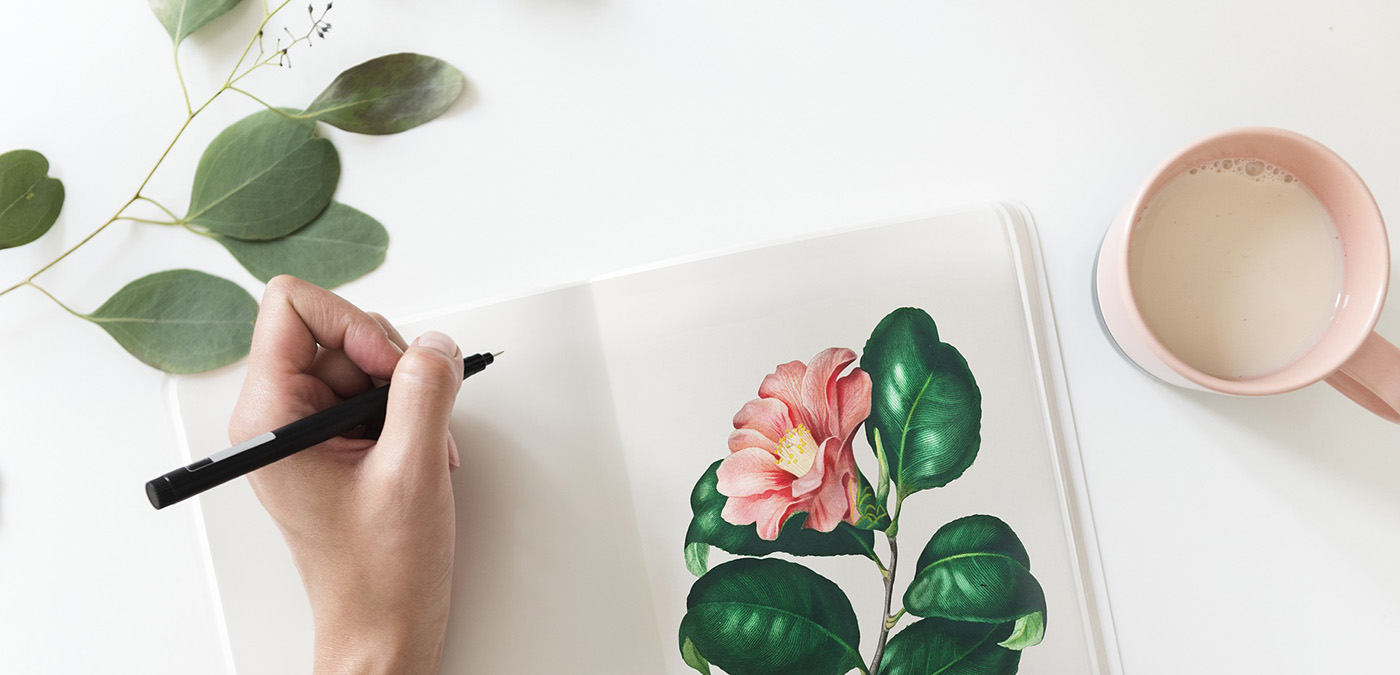
Speaking Through Flowers: The Art of Choosing Blooms by Season, Scent, and Meaning 🌿
In Western floral culture, flowers are never just decorative objects. They are a quiet but powerful language—one that communicates emotion, values, and intention through color, fragrance, and seasonal rhythm. Whether in a boutique flower shop in New York, a Parisian hotel lobby, or a California dining room, the right floral choice can instantly shift the mood of a space.
Choosing flowers with seasonal awareness not only improves longevity and freshness, but also reflects a deeper respect for nature’s cycles. For florists, floral designers, brand stylists, and even home enthusiasts who enjoy arranging flowers themselves, this approach represents a thoughtful balance between aesthetics, practicality, and storytelling.
The Rhythm of the Seasons: Letting Floral Design Breathe 🌸☀️🍂❄️
Seasonality is a cornerstone of high-end floral design across Europe and North America.
Spring is synonymous with renewal and optimism. Tulips, daffodils, peonies, and hyacinths dominate Easter arrangements, spring brand launches, and welcoming home displays. Soft pastels, creamy whites, and fresh greens mirror the lightness of the season.
Summer belongs to celebration. Sunflowers, dahlias, lilies, and calla lilies thrive under abundant sunlight and bring bold energy to weddings, outdoor gatherings, and luxury resort designs. Their saturated hues photograph beautifully, making them ideal for social media and event storytelling 📸.
Autumn introduces depth and warmth. Chrysanthemums, marigolds, deep red roses, and rust-toned florals reflect the emotional richness of harvest season, Thanksgiving, and family-centered occasions. These palettes evoke comfort and grounding.
Winter, though quieter, is far from dull. Amaryllis, paperwhites, white roses, and evergreen branches create elegant, restrained compositions for Christmas, New Year celebrations, and upscale residential interiors. Minimalism and texture take center stage.
Fragrance: The Invisible Architect of Atmosphere 🌺
In Western interior and brand design, scent is often described as the most emotional sense—and flowers play a major role in shaping it.
Roses are more than symbols of romance; their rich, familiar fragrance often triggers memories of love and meaningful moments. Lavender, widely used in wellness and luxury self-care products, is prized for its calming and stress-reducing properties.
For hotels, retail spaces, and brand events, floral scent design requires intention. Pairing the sweet notes of freesia with the citrusy freshness of geranium creates a light, welcoming atmosphere—ideal for spring gifting or entrance displays 🌼.
The Return of Floriography: When Meaning Matters 💐
The language of flowers is experiencing a quiet revival, especially in custom gifting and luxury brand experiences.
White lilies symbolize purity and respect, making them a common choice for memorials, religious ceremonies, and minimalist brand activations. Sunflowers represent loyalty, optimism, and growth—perfect for business openings, creative collaborations, and influencer gifting.
Color nuance is particularly important with roses in corporate gifting:
Red conveys passion and commitment, pink expresses appreciation and warmth, while peach tones communicate gratitude in a subtle, refined way. When chosen thoughtfully, floral meaning often leaves a stronger impression than extravagant packaging.
Extending Floral Longevity: Professional Care at Home 🌱
Professional florists rely on cold storage, precise stem cutting, and water treatment to extend vase life—but many of these techniques are easy to replicate at home.
Replacing cold water with lukewarm water helps flowers hydrate more efficiently. Cutting stems at an angle increases water absorption. Changing water every two days and adding a small amount of sugar and white vinegar can inhibit bacteria while providing nutrients.
Many premium Western florists now include floral preservatives and care cards with each order, transforming flower care into a complete customer experience.
Vases and Placement: Small Choices, Big Impact 🏺
The material of a vase directly affects flower health. Clear glass allows easy monitoring of water quality, while ceramic vases help stabilize water temperature in warmer climates.
Placement matters just as much. Avoid direct sunlight, heating vents, and fruit bowls—ripening fruit releases ethylene gas, which accelerates wilting. These details are often what separate ordinary arrangements from truly professional presentations.
Balanced Floral Pairing: Beyond Color Coordination 🎨
Successful floral design requires more than matching colors.
Tall, structured blooms like gladiolus gain movement when paired with trailing jasmine or ivy. Strongly scented flowers such as roses or tuberose should be balanced with lighter-scented varieties to prevent sensory overload. Understanding each flower’s hydration needs and natural posture ensures arrangements remain fresh and visually cohesive over time.
These principles are essential for hospitality design, high-end event styling, and lifestyle content creators alike.
When Flowers Become Part of Brand Identity 🌍
Across Western markets, hotels, skincare brands, and lifestyle labels increasingly use floral design as a core element of brand atmosphere.
Dried and preserved flowers have gained popularity among eco-conscious consumers. Their longevity, low maintenance, and reduced environmental impact align with sustainable values. When paired with signature colors, fragrances, and custom tags, flowers evolve from décor into a tangible expression of brand culture.
AI and the Future of Floral E-Commerce 🤖🌸
Artificial intelligence is reshaping floral retail. By analyzing purchase history and consumer behavior, online platforms can recommend flower arrangements tailored to specific emotional moments—engagements, apologies, celebrations, or condolences.
This technology-driven personalization not only improves conversion rates but also makes floral gifting more emotionally precise and human-centered.
Flowers in the Emotional Economy ❤️
The value of flowers lies not in their price, but in their emotional accuracy.
A friend once commissioned a bouquet for his mother’s retirement, featuring green hydrangeas paired with orange tulips and soft pink lisianthus—symbols of renewal, vitality, and respect. She was moved to tears, not by extravagance, but by how deeply understood she felt.
Flowers in the Digital Age 📱
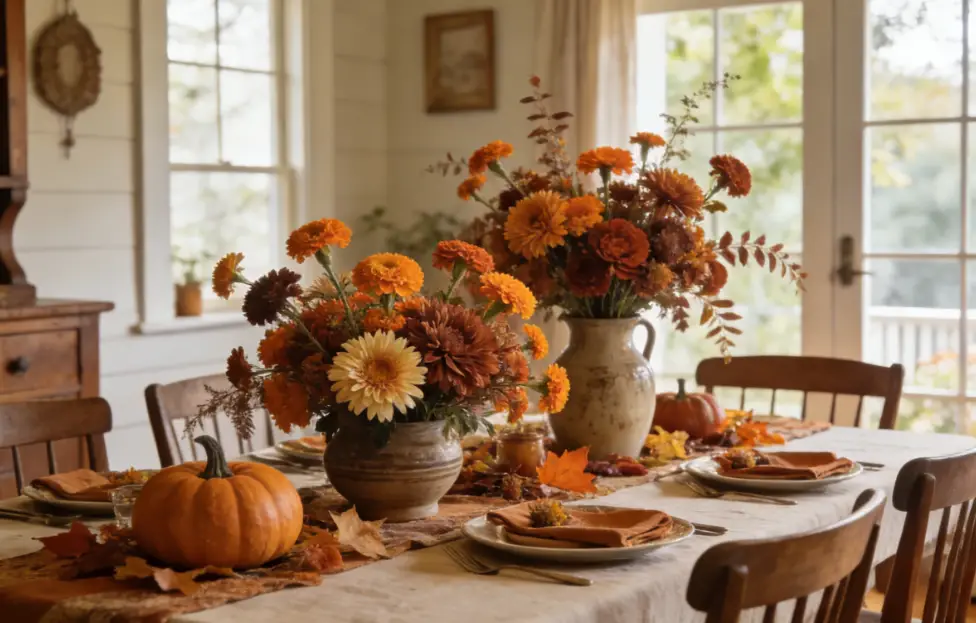
From Zoom backdrops to social media storytelling, flowers have become visual anchors of personal and brand identity. Florists increasingly collaborate with content creators to design camera-friendly arrangements—flower walls, floral baths, and sculptural hand-tied bouquets—crafted with symmetry and color psychology in mind.
Floral design is no longer confined to a vase; it has become a key element of modern visual narrative.
Starting with One Flower, Saying Everything 🌷
Designers who understand color psychology, fragrance pairing, and seasonal rhythm are better equipped to shape lasting visual memory and brand emotion.
Every flower is a choice. And every choice tells a story.