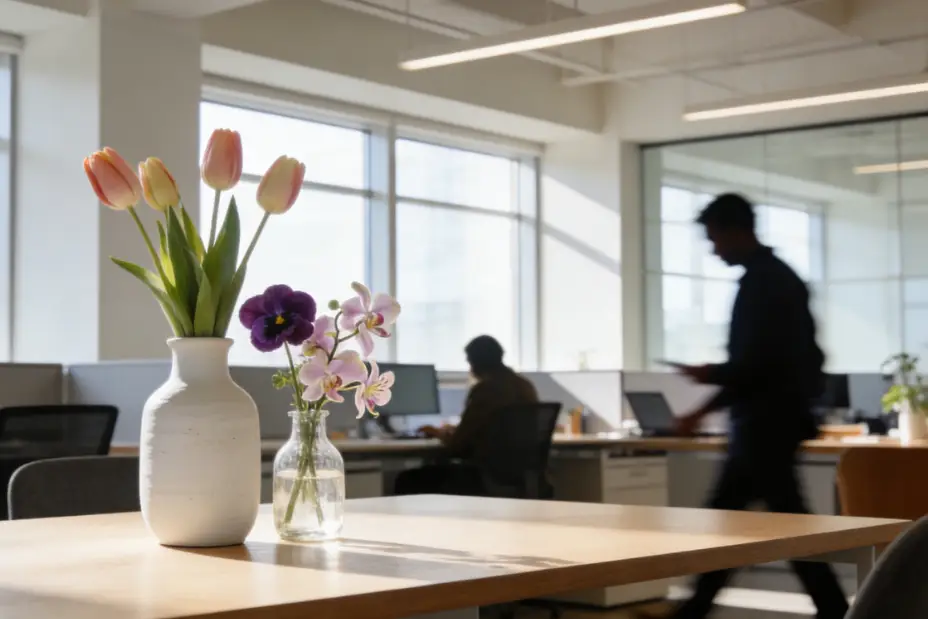
🌿 Bringing Nature Back to the Workplace: How Floral Design Is Transforming Modern Offices
In many offices, a single touch of nature can spark a surprisingly profound change. Over the past decade, Biophilic Design has emerged as a defining trend in interior design across North America and Europe. More than an aesthetic preference, this design philosophy is rooted in the belief that humans thrive when they maintain a meaningful connection with nature.
By integrating plants, flowers, natural light, and organic materials into indoor environments, biophilic design does more than beautify a space—it actively supports mental well-being, physical comfort, and workplace satisfaction. Nowhere is this impact more evident than in modern offices, where stress, long hours, and digital fatigue have become part of daily life.
🌱 Why Humans Respond So Deeply to Nature at Work
Our attraction to nature is not merely poetic—it is biological. Numerous studies conducted in the U.S. and Europe have shown that exposure to greenery significantly reduces cortisol levels, the hormone associated with stress. At the same time, focus, creativity, and problem-solving abilities tend to improve.
In practical terms, placing plants or flowers in an office environment is far more than decorative styling. Living greenery helps filter airborne pollutants, regulate humidity, and improve indoor air quality. Over time, companies that invest in natural elements often report lower absenteeism and improved employee retention—benefits that directly affect productivity and long-term business health.
For many Western companies, especially in cities like New York, London, or San Francisco, where office workers spend most of their day indoors, these benefits are no longer optional—they are essential 🌿
🌸 The Emotional Power of Flowers in Office Design
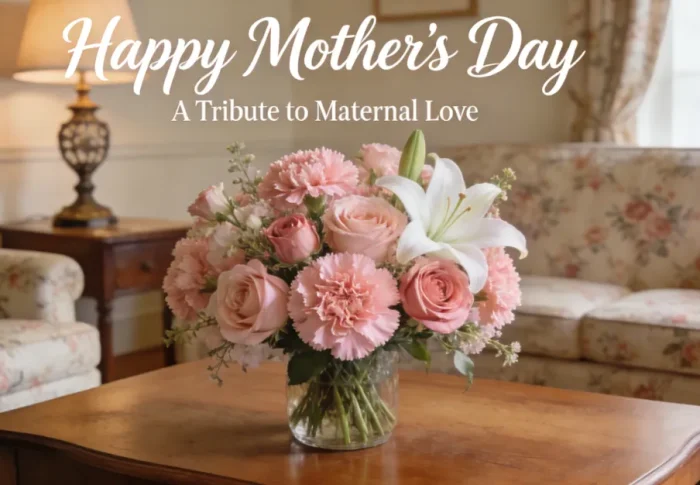
While green plants form the backbone of biophilic design, flowers bring emotion into the equation. Compared to foliage alone, floral arrangements introduce color, texture, and seasonal rhythm—elements that subtly influence mood and perception.
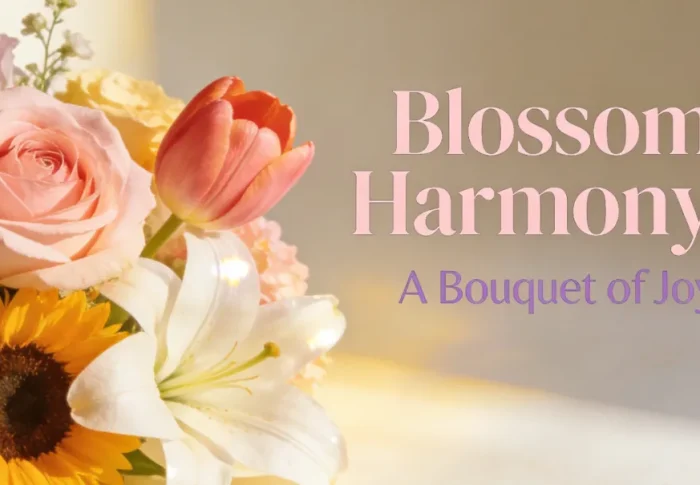
A soft arrangement of lilies can evoke calm and clarity, while sunflowers or ranunculus add warmth and optimism to a space. In high-pressure corporate environments, flowers often serve as quiet emotional anchors.
One HR director I worked with in Chicago shared a personal example: she placed a simple arrangement of lightly scented roses and eucalyptus near her desk. During tense conversations or difficult negotiations, she found herself instinctively slowing her breathing. Colleagues passing by often commented that her workspace felt like a place to pause and reset—a small oasis within a busy office floor 🌼
🌿 From Desks to Shared Spaces: Floral Design as Spatial Strategy
Thoughtful floral placement allows nature to flow seamlessly through an office. This can start small, with minimal desk arrangements, and scale upward to larger design statements:
- Compact floral accents on individual workstations
- Vertical greenery or hanging plants in meeting rooms
- Floral installations or green walls in reception and communal areas
Seasonal flower choices further enhance this experience. Spring tulips, summer hydrangeas, autumn chrysanthemums, or winter orchids help synchronize indoor spaces with the natural calendar. This sense of seasonal movement is particularly appreciated in Western offices, where employees may spend months disconnected from outdoor changes.
The result is an office that feels alive—never static, never sterile.
🏢 A Real-World Example: Biophilic Offices in Action
A tech startup in downtown Seattle offers a compelling example of biophilic principles at work. Instead of enforcing uniform desk aesthetics, the company created a shared floral station where employees could select flowers or small plants to personalize their workspace.
Management observed an unexpected outcome: cross-team interaction increased. Employees began discussing plant care, exchanging flowers, and sharing responsibility for communal greenery. Over time, this initiative strengthened workplace belonging and fostered a more collaborative culture.
This demonstrates how floral design, when implemented thoughtfully, influences not just how an office looks—but how people behave within it.
⚠️ Practical Considerations for Office Floral Design
Of course, introducing flowers into the workplace requires mindful planning. From a Western corporate perspective, several factors are key:
- Allergy awareness: Avoid highly allergenic flowers such as strong-scented lilies or certain chrysanthemums. Orchids, African violets, and anthuriums are generally safer choices.
- Light and ventilation: Flowers should match the natural light conditions of the office to ensure longevity.
- Maintenance: Many companies partner with professional florists who provide regular replacement and care—an approach commonly seen in premium office buildings and boutique hotels 🌸
Well-maintained flowers send a clear message: this is a workplace that values quality, comfort, and attention to detail.
🤖 When Floral Design Meets Smart Technology
Modern floral design is no longer purely artisanal—it increasingly intersects with technology. Smart planters that monitor soil moisture and automate watering have become popular in European co-working spaces. Some design firms now use AR or VR tools to preview floral installations within an office layout before execution.
These innovations lower maintenance barriers and make floral integration accessible even to fast-paced corporate environments. For many companies, technology has become the bridge that allows nature to re-enter modern workspaces seamlessly.
🌍 Sustainability and the Future of Green Offices
At a sustainable living expo I attended in Vancouver, the theme “Green Workspaces for a New Era” highlighted floral-driven office concepts using recycled materials, herb walls, and reusable containers. Many visitors—especially business owners and architects—expressed strong interest, noting that such designs aligned with ESG values and modern brand identity.
In Western markets, sustainability is no longer a niche concern. Floral design, when executed responsibly, becomes a visible symbol of corporate ethics and environmental awareness.
🌼 A Quiet Investment with Lasting Impact
Integrating flowers into the office is not merely a stylistic choice—it is an investment in people. From enhancing brand perception and strengthening company culture to creating spaces employees genuinely enjoy spending time in, floral design delivers value far beyond its visual appeal.
Each flower, each leaf, quietly shapes how we feel, think, and connect. In an era defined by speed and digital overload, bringing nature back into the workplace may be one of the most human decisions a company can make 🌿