Gift Ideas for Someone Who Has Everything-Thoughtful, Elevated, and Truly Worth the Investment
Why Gifting Gets Harder at This Level
Buying a gift for someone who has everything is a very specific kind of challenge. This isn’t about forgetting a birthday or running out of time — it’s about finding something that doesn’t feel obvious, excessive, or unnecessary.
People who “have everything” tend to be intentional buyers. They value quality over quantity, time over clutter, and long-term enjoyment over short-term excitement. Many already own the best versions of what they need, which means traditional gift ideas often fall flat.
That’s why gifting at this level is less about what you give and more about how thoughtfully it fits into their life. The right gift signals attention, restraint, and good judgment — not just spending power.
This guide focuses on elevated, experience-driven, and high-quality gift ideas that resonate especially well with discerning U.S. consumers who prioritize everyday luxury, convenience, and long-term value.
Quick Picks: High-End Gift Categories That Rarely Miss
If you’re looking for a strong starting point, these categories consistently work for people who already have most things:
- Experience-Based Gifts – Memories over possessions
- Everyday Upgrades – Familiar items, done exceptionally well
- Design-Forward Home Essentials – Timeless, subtle aesthetics
- Wellness & Self-Care Enhancements – Luxury woven into routine
- Curated Consumables – Premium items meant to be enjoyed, not stored
These options feel personal without being intrusive and refined without being showy — an important balance when gifting at the higher end.
Experience Gifts: When Another Object Isn’t the Answer
For someone who has everything, experiences often feel more meaningful than physical items. They don’t take up space, they don’t require storage, and they align well with a lifestyle that values time and flexibility.
Experience-style gifts may include:
- Private workshops or classes
- Tastings or curated culinary experiences
- Cultural memberships or special access passes
- Short wellness retreats or guided sessions
Among high-income U.S. households, spending on experiences rather than accumulating possessions has become increasingly common. Experiences feel exclusive, intentional, and memorable — especially when they reflect the recipient’s interests rather than trends.
Why this works:
An experience gift suggests that you thought about how the person enjoys their life, not just what they might unwrap.
Elevated Everyday Items: Quiet Luxury That Gets Used Daily
Even people who have everything still rely on everyday objects. The difference is that they notice details — materials, weight, finish, and longevity.
Quiet luxury focuses on:
- Craftsmanship over branding
- Materials over logos
- Durability over novelty
Examples of elevated everyday upgrades include refined kitchen tools, minimalist desk accessories, premium textiles, or thoughtfully designed personal items. These gifts integrate seamlessly into daily routines and often become the most appreciated over time.
For many U.S. consumers, especially those with busy schedules, upgrading something they already use feels far more valuable than receiving something new but unnecessary.
Home Gifts That Feel Intentional, Not Decorative
When gifting home items to someone with refined taste, restraint matters. Overly bold designs or heavily themed décor can feel risky or out of place.
Safer, more elevated home gift categories include:
- Sculptural trays or vessels in neutral tones
- Subtle lighting accents
- Natural materials like stone, glass, ceramic, or wood
- Objects that feel functional first, decorative second
A good rule of thumb is to choose items that could fit comfortably into a variety of interior styles. If the gift blends in beautifully rather than demanding attention, it’s more likely to be used and appreciated.
Wellness Gifts for People Who Value Their Time
Wellness gifts resonate strongly with people who already invest in self-care — particularly when those gifts enhance routines rather than introduce new ones.
High-quality wellness-focused gifts may support:
- Better sleep
- Stress reduction
- Recovery and relaxation
- Daily personal care
For U.S. consumers who prioritize productivity and time efficiency, wellness gifts that simplify or elevate existing habits often feel like a smart investment rather than an indulgence.
Consumable Gifts: Premium Enjoyment Without Long-Term Commitment
Consumables are one of the most reliable gift categories when personal taste is hard to predict — especially at the higher end.
Well-chosen consumables might include:
- Artisanal food products
- Small-batch beverages
- High-quality confections
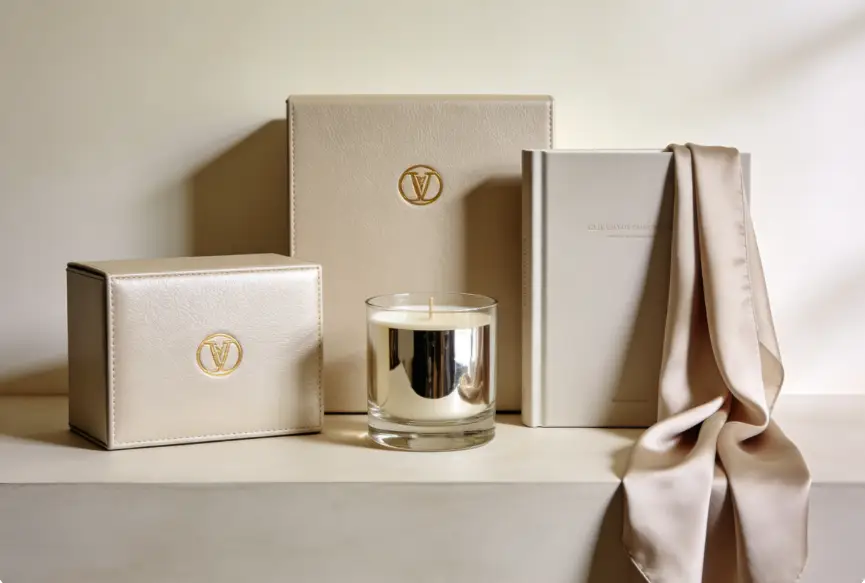
- Refined candles or fragrance items
These gifts are meant to be enjoyed and finished, which removes the pressure of permanence. There’s no obligation to display or store them, making them particularly appealing to people who prefer a clutter-free lifestyle.
Gifts for Someone Who Prefers Minimalism
Minimalists are often easier to shop for than expected — once you understand their values.
Look for gifts that:
- Serve a clear, practical purpose
- Feature clean, understated design
- Are built to last
Avoid novelty items or purely decorative objects. Minimalist-minded recipients appreciate intention, function, and quality far more than cleverness.
When You Don’t Know Them Well (But Still Want to Impress)
This scenario is common for clients, colleagues, in-laws, or professional relationships. In these cases, the goal is to show consideration without crossing personal boundaries.
Best practices include:
- Avoid overly personal or sentimental gifts
- Stick to universally useful categories
- Prioritize presentation and quality
A neutral, premium-feeling gift communicates respect and good taste while remaining appropriate in professional or semi-formal settings.
How to Make Any Gift Feel More Thoughtful
Even the best gift benefits from context. Small details can significantly elevate how a gift is received:
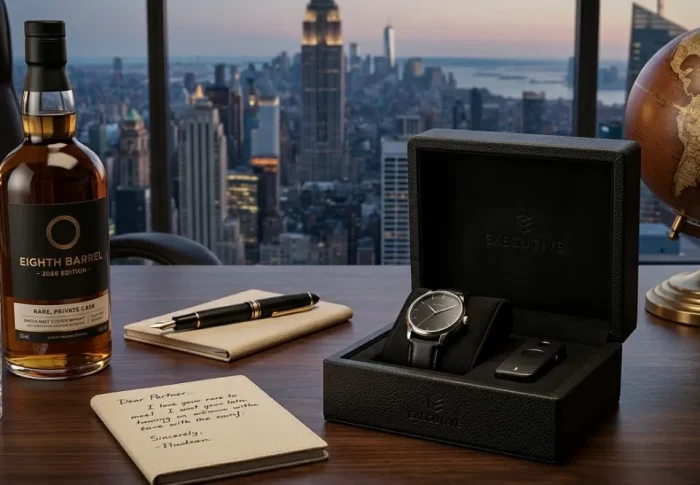
- Include a short handwritten note
- Briefly explain why you chose it
- Keep packaging clean and understated
For intentional buyers, these touches signal that the gift wasn’t an afterthought — it was a considered decision.
Common Mistakes to Avoid When Gifting Someone Who Has Everything
- Loud branding or oversized logos
- Trend-driven items that age quickly
- Gifts that require effort or maintenance
- Trying too hard to be clever or ironic
In most cases, simplicity paired with quality outperforms excess.
FAQ: Gifting for People Who Have Everything
What makes a gift feel “premium” in the U.S. market?
Quality materials, thoughtful design, and usefulness over time matter more than price alone.
Are experience gifts more popular than physical gifts?
Yes, especially among high-discretionary-income individuals who value memories and flexibility.
How much should you reasonably spend?
There’s no fixed rule. Focus on value and intention rather than a specific number.
Why do subtle gifts often work better than flashy ones?
Many high-income buyers prefer understated choices that align with a “buy fewer, better things” mindset.
Final Thoughts: Thoughtfulness Always Beats Excess
Gifting for someone who has everything isn’t about trying to surprise them with something extravagant. It’s about showing that you understand how they live, what they value, and what fits naturally into their life.
When you focus on intentional choices, everyday luxury, and long-term value, you’ll always have meaningful options — even for the hardest people to shop for.