The Art of Giving Flowers: A Cultural and Emotional Guide 🌸💐
Flowers have been an essential part of human culture for centuries. They carry layers of meaning—love, respect, celebration, and remembrance. Whether it’s a birthday, wedding, hospital visit, or farewell, flowers speak a silent language that words sometimes cannot. But did you know that giving flowers is more than just picking a beautiful bouquet? Behind every arrangement lies rich cultural symbolism, color meanings, and etiquette that can vary widely across the globe. One wrong choice can sometimes lead to an awkward misunderstanding.
Why Flowers Are More Than Just Decoration 🌷
Every flower and its color convey a unique message:
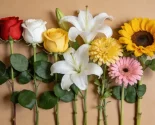
- Roses: In Western cultures, roses are synonymous with romance. A red rose symbolizes passionate love ❤️, white represents purity 🤍, and yellow often signifies friendship rather than romantic affection 💛. Sending the wrong color on Valentine’s Day could unintentionally send the wrong message.
- Lilies: Commonly associated with funerals in Europe and North America, lilies are a symbol of mourning and respect ⚰️. Giving them at a birthday or wedding might come across as unsettling.
- Chrysanthemums: In Asia, chrysanthemums symbolize longevity and vitality 🌿, but in many European countries, they are often linked to funerals. Cultural context is key when choosing flowers across borders.
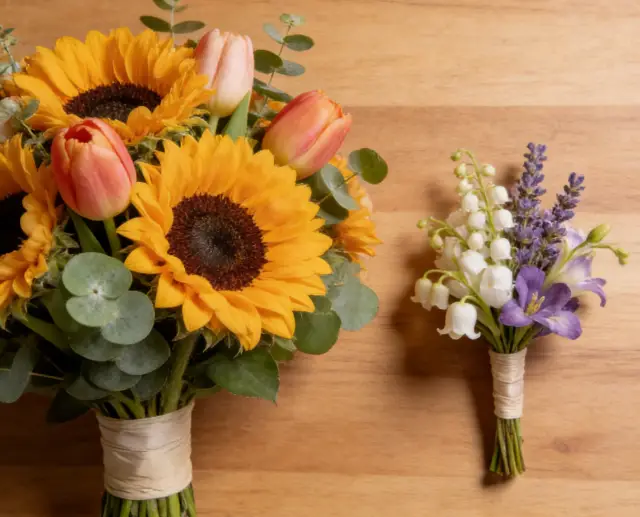
- Sunflowers & Daisies: Representing new beginnings, innocence, and cheerfulness 🌞🌼, these are perfect for weddings, baby showers, or celebrating life milestones.
These examples highlight that flower choices are not purely aesthetic—they are deeply tied to cultural perception and emotional nuance.
Cultural Etiquette and Flower Giving Around the World 🌏
Japan 🇯🇵
In Japan, the number of flowers matters. Odd-numbered bouquets are associated with mourning, while even numbers are considered auspicious. A simple misstep, like gifting an odd number of flowers, could unintentionally signal sympathy rather than celebration.
Russia 🇷🇺
Similarly, in Russia, odd-numbered flowers are linked to funerals, while even-numbered bouquets are seen as lucky. A friend once gave an odd-numbered bouquet to a colleague, only to notice a subtle awkwardness—showing how important it is to respect local customs.
China 🇨🇳
In Chinese culture, flowers carry deep symbolic meaning. White lilies and chrysanthemums are traditionally used in funerals ⚰️, while peonies represent wealth, prosperity, and celebration 🌸. Using peonies in weddings or festive occasions conveys elegance and good fortune.
France 🇫🇷
French flower etiquette also emphasizes symbolism. Red roses are primarily associated with romantic love ❤️. Giving them to a parent or elder may create confusion. Tulips or peonies are often more appropriate for family or formal occasions.
Special Occasions: Choosing the Right Flowers 🎉💐
Hospital Visits 🏥
Flowers are a classic way to show care, but hospitals sometimes restrict them due to allergies or bacteria concerns. Cards, fruits, or small potted plants are safer alternatives.
First Dates 💌
When it comes to a first date, less is more. A single flower or a small, thoughtful bouquet conveys thoughtfulness without overwhelming your partner. Avoid overly large or heavily scented flowers, which may create pressure or discomfort.
Funerals ⚰️
Even when sending flowers as sympathy, knowing local customs is crucial. In some regions, flowers may be considered wasteful or inappropriate, while in others they are a vital expression of respect.
Common Flower-Giving Mistakes ❌
- Overpowering fragrance: Strong scents like lilies or gardenias can be overwhelming for sensitive individuals.
- Poor quality or artificial flowers: Cheap or wilted flowers reduce the perceived thoughtfulness of the gift. Always choose fresh, carefully selected blooms.
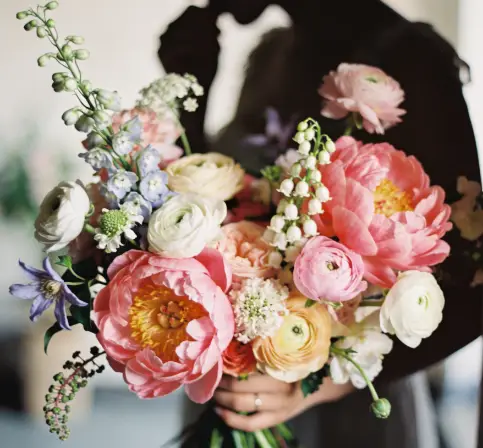
- Oversized bouquets: Large arrangements may be difficult to display or manage at home, making a smaller, elegantly designed bouquet often more appreciated.
The Emotional Power of Flowers ❤️
Giving flowers is a subtle form of communication. From the type, color, and quantity, to the wrapping and presentation, every detail expresses care and thoughtfulness. A well-chosen bouquet can:
- Express love to a partner 💕
- Congratulate a friend on an achievement 🎊
- Comfort a colleague during tough times 🌿
A thoughtfully prepared bouquet transcends language and culture, creating a bridge of emotion between giver and receiver.
Final Thoughts 💐✨
Flower-giving is both an art and a cultural journey. Understanding the symbolism, etiquette, and preferences of the recipient ensures your gift is not only beautiful but also meaningful. The joy of giving flowers lies not only in the smiles they bring to others but also in the sense of fulfillment and connection they provide to the giver.
So next time you hand over a bouquet, remember: it’s not just flowers—it’s a message, a gesture, and a bridge of human connection. 🌹💖