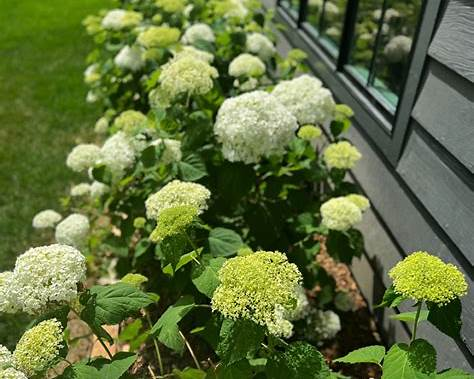
Does the hydrangea turn brown? 6 key reasons and expert level emergency measures to revive the flower sea
Hydrangeas have always been the stars of the garden, showing off lush green foliage and vibrant globe-shaped blooms that last from summer all the way into fall. Yet despite their beauty, they can be surprisingly delicate—just a small mistake in watering, sunlight, or daily care can cause once-radiant green leaves and soft pink-purple blossoms to turn an alarming shade of brown overnight. 🌸😥
The good news is: browning doesn’t mean your hydrangea is doomed. As long as you identify the cause in time and take the right steps, your plant can bounce back and bloom beautifully again. Below are the six most common reasons for browning and expert-recommended solutions. 🌿✨
1. Underwatering — the most common summer culprit 💧☀️
If you notice crisp leaf edges or drooping blooms, your hydrangea is likely thirsty. Hydrangeas—especially mophead hydrangeas (Hydrangea macrophylla) and panicle hydrangeas (Hydrangea paniculata)—have shallow, delicate root systems that dry out quickly during heatwaves or shortly after planting. While not immediately fatal, prolonged drought can kill young plants.
Solutions:
- Check soil moisture daily by inserting your finger 2.5 cm (1 inch) into the soil; water if it feels dry.
- Provide 2.5–5 cm (1–2 inches) of water per week; increase to 7.5 cm (3 inches) during extreme heat.
- Newly planted hydrangeas need extra care—water 2–3 times weekly during establishment.
- Apply a 5 cm (2-inch) layer of bark mulch to reduce evaporation and protect roots.
2. Overwatering — the hidden killer that rots roots 🚫💦
If the leaves turn soft and brown (not dry and crispy), the roots may be sitting in water. Constantly soggy soil deprives roots of oxygen and leads to rot—highly damaging to mature plants. Mophead and smooth hydrangeas are especially vulnerable in early summer.
Solutions:
- Stop watering immediately and wait until the topsoil dries and loosens before watering again.
- Improve drainage by mixing coarse sand into beds or elevating potted plants on raised stands.
- Ensure pots have proper drainage holes; if roots are mushy and black, trim them and repot in fresh soil.
- Remember: “better dry than soggy”—only water when the topsoil feels dry.
3. Sunburn — when intense sun scorches leaves and blooms 🔥🌞
If the leaf edges turn brown or the flowers fade to brown within a day, sunburn is the likely cause. Mophead and lacecap hydrangeas are especially sensitive to harsh midday and afternoon sun, particularly during heatwaves.
Solutions:
- Move potted hydrangeas to a location with morning sun and afternoon shade.
- For in-ground plants, use shade cloth during peak summer.
- Increase watering slightly during extreme heat, but do not exceed weekly water recommendations.
- Long-term: choose sun-tolerant panicle hydrangeas or plant shade-loving varieties in filtered-light areas.
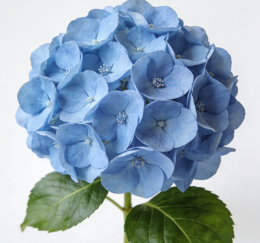
4. Pest damage — tiny insects that create brown spots 🐛🕸️
If you see brown spots, sticky residue, or fine webs on leaves or flowers, pests such as aphids or spider mites may be to blame. These insects rarely kill hydrangeas outright but weaken them, especially in late summer.
Solutions:
- Inspect the undersides of leaves (pests love hiding there).
- Spray with a strong jet of water or use natural soap spray (1 tsp Castile soap + 1 gallon of water).
- For severe infestations, apply neem oil weekly.
- Keep the garden clean by removing fallen leaves and debris.
5. Fungal infections — brown spots and powdery leaves 🍄⚠️
If leaves develop brown spots with yellow halos or a grayish-white powdery coating, while flowers remain mostly intact, the hydrangea may have anthracnose or cercospora leaf spot. These fungal issues thrive in humid late-summer to early-fall conditions and commonly affect mophead and oakleaf hydrangeas.
Solutions:
- Immediately remove infected leaves and discard them (do NOT compost).
- Water at the base only—avoid wetting the foliage.
- Prune crowded branches to improve airflow.
- For severe cases, use copper-based fungicide or a DIY baking soda spray (1 tbsp baking soda + 1 gallon water).
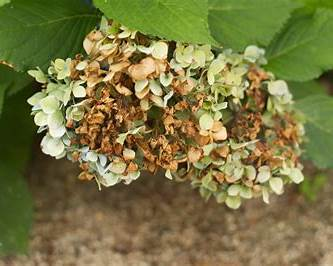
6. Transplant shock — browning right after moving 🪴😵💫
If your hydrangea turns yellow-brown and wilts soon after being transplanted, it’s likely experiencing transplant shock. This is common and usually temporary as roots adjust to their new environment.
Solutions:
- Water thoroughly before and after transplanting; keep soil evenly moist for 2–3 weeks.
- Use shade cloth in the first few days to reduce heat stress.
- Avoid summer transplanting—spring and fall are safer.
- Be patient—most hydrangeas recover within 4–6 weeks.
🌼 Final Thoughts: Early Detection Is the Key 🔍💚
When hydrangeas turn brown, they’re simply sending you a “help me” signal. By identifying the symptoms—crispy leaves mean underwatering, soft brown leaves mean overwatering, brown edges mean sunburn—and applying the right fixes, your hydrangeas can perk up quickly and bloom again with full glory. 💐✨
Wishing you joyful gardening and a speedy recovery for your hydrangeas! 🌿🌸