🌸 Ikebana: The Japanese Art of Minimalist Flower Arrangement That Teaches Us to Slow Down
When a single blossom quietly opens in the corner of a room, it has a way of making you pause without even realizing it. Its beauty doesn’t come from dramatic colors or elaborate arrangements—it comes from a gentle presence that seems to soften the entire atmosphere.
Among the many floral traditions around the world, one Japanese art form stands out for its serene simplicity and philosophical depth: Ikebana, particularly the style of Ikenobō.
Ikebana is not merely flower arranging.
It’s a lifestyle, a way of seeing the world, a quiet conversation between nature and the human heart. 🌿
✨ Ikebana Is More Than an Art Form — It’s a Way of Living
Modern life moves relentlessly fast. Notifications are constant, messages arrive non-stop, and the pressure to stay connected never seems to let up. Moments of genuine calm feel increasingly rare.
A friend once told me about coming home after an exhausting day at work. She placed her keys down, looked over at her dining table, and saw the Ikebana arrangement she had made the night before—a single curved branch paired with two gently drooping lilies.
She said her entire mind softened instantly.
It wasn’t visual impact that moved her.
It was presence. 💛
And that is the heart of Ikebana:
It doesn’t aim to impress the eyes—it aims to touch the spirit.
🍂 Wabi-Sabi: The Beauty of Imperfection and Impermanence
The philosophy of Ikebana is deeply rooted in the Japanese aesthetic known as wabi-sabi.
It’s a concept that resists simple translation, but it embodies ideas like:
- 🌾 Beauty in imperfection
- 🍁 Appreciation of things that are transient
- 🕊️ Respect for the marks of time
The peeling paint on a tea house wall, a fallen leaf resting in a garden, a crack in old pottery—Western aesthetics might call these flaws, but wabi-sabi sees them as gifts of time.
In Ikebana, flowers don’t need to be in full bloom.
A slightly wilted petal, a crooked stem, or a dried branch can be even more expressive.
They remind us that beauty is not permanent—and that’s exactly what makes it precious. 🌼
🌿 Ikebana vs. Western Floral Design: A Different Philosophy of Beauty
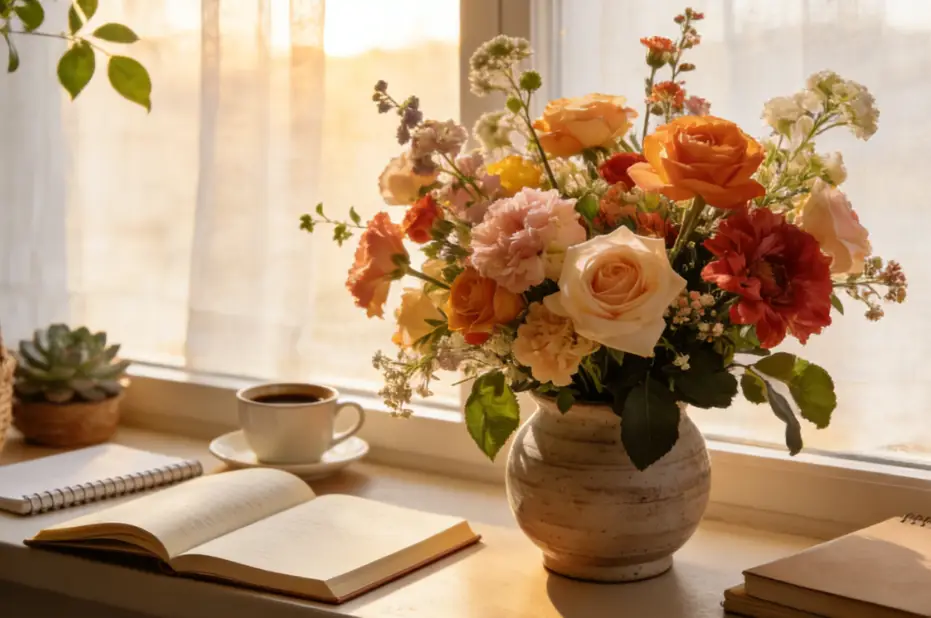
Western floral design often celebrates abundance.
Large bouquets, symmetrical shapes, full and dramatic arrangements.
Ikebana is the opposite.
It focuses on:
- Line
- Space
- Asymmetry
- Natural form
- Meaningful emptiness
I once attended an Ikebana exhibition in an art gallery. One particular piece used only three branches and two flowers. At first glance, it looked almost bare. But standing in front of it, you feel an unexpected pull—as if the lines of the arrangement were guiding your eyes intentionally and delicately.
In Ikebana, empty space is not emptiness.
It is breathing room, a place for the viewer’s imagination to rest. 🧘♂️💨
🌼 Tools of Ikebana: The Charm of Shallow Vessels & the Kenzan
Ikebana arrangements often use:
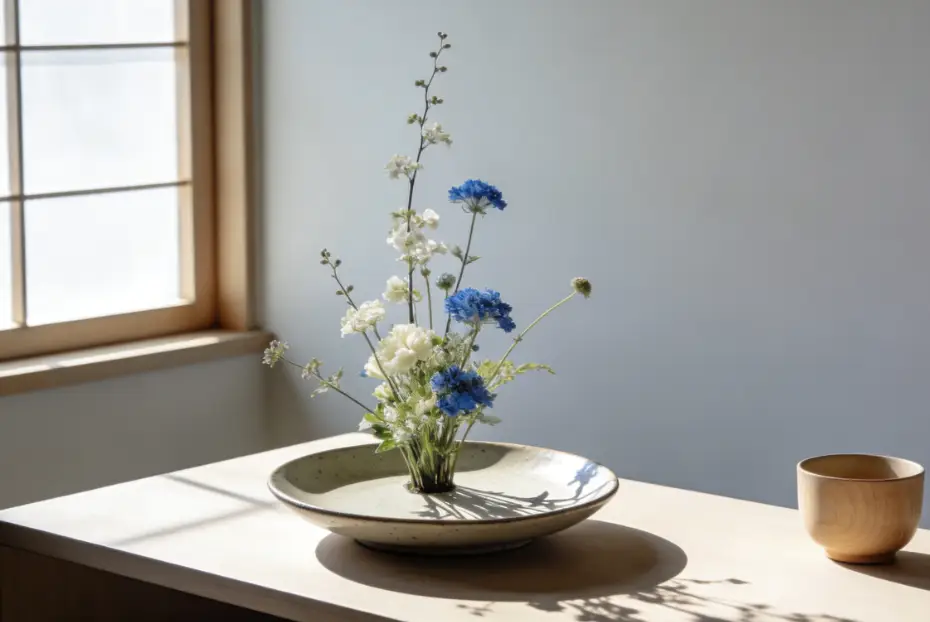
- Shallow containers (bowls, plates, flat vases)
- Kenzan, the traditional metal pin frog used for fixing stems in place
Shallow vessels allow stems to stretch outward naturally, while the kenzan holds the most subtle angles firmly, almost like a hidden framework that keeps the entire artwork balanced.
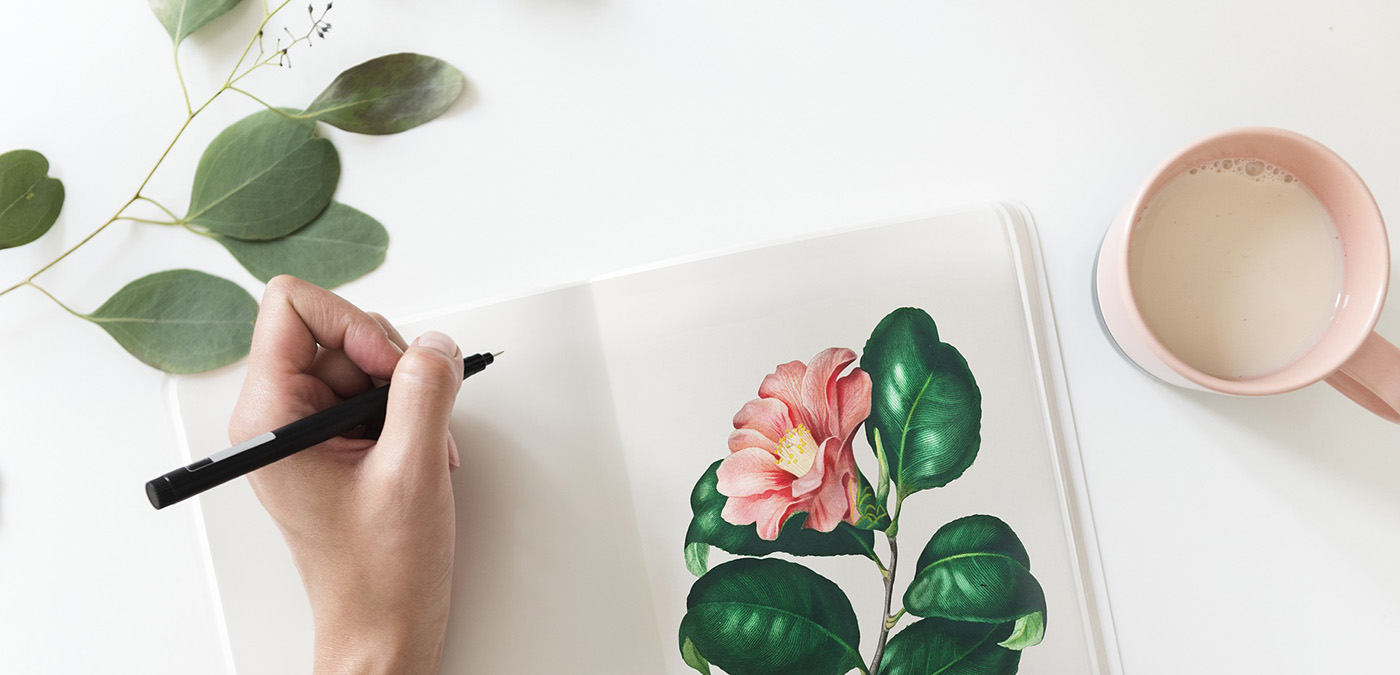
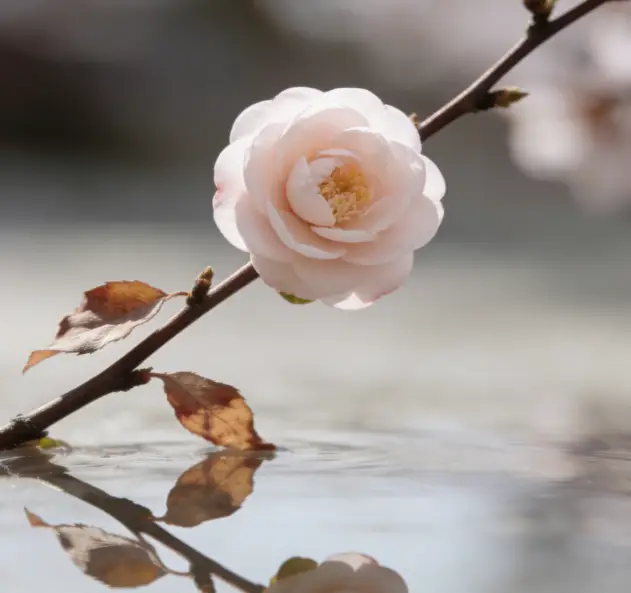
Once, I created an arrangement at home using a shallow ceramic dish, a curved cherry branch, and a single camellia bloom. I placed it near my writing desk. Every time I looked down, the natural light cast soft shadows on the petals and branches.
It became a quiet companion, saying everything without speaking. 🌤️
🍃 Anything from Nature Can Become an Ikebana Material
Ikebana invites us to see beauty everywhere—not just in store-bought flowers.
Meaningful materials include:
- Fallen leaves 🍁
- Tiny seasonal berries 🌰
- Curved or dried branches 🌿
- Broken twigs found after a windy day
- Pinecones picked up during a walk
A horticulturist friend once told me he brought fallen camphor leaves from his balcony into class. Instead of being dismissed, the instructor praised him for “capturing the landscape of daily life.”
That is Ikebana’s magic:
It transforms ordinary moments into extraordinary presence. 🌱
🏡 Ikebana Teaches Us How to Appreciate Space
We live in a world obsessed with “more.”
More decoration.
More color.
More visual impact.
But Ikebana shows that less can be more powerful.
It teaches us:
- To value negative space
- To let the main subject breathe
- To appreciate silence in design
- To understand that space itself has meaning
This is why Japanese minimalist interiors and “Zen home aesthetics” have become so influential worldwide.
Ikebana principles—line, balance, simplicity—have quietly shaped modern interior design.
A calm space is not empty.
It is alive with intention. 🏠✨
🧘 Ikebana as Meditation: A Moment of Stillness in a Busy World
The process of creating Ikebana can be deeply meditative:
- Placing each stem requires full attention
- Trimming leaves feels like clearing mental clutter
- Adjusting angles teaches patience and presence
Some people meditate through yoga.
Some through journaling.
Ikebana is meditation through nature and form.
In today’s high-pressure environment, this kind of mindful ritual is more precious than ever. 🌬️💮
🌷 How to Start Ikebana at Home (Beginner-Friendly!)
You don’t need expensive tools or rare flowers.
Start with:
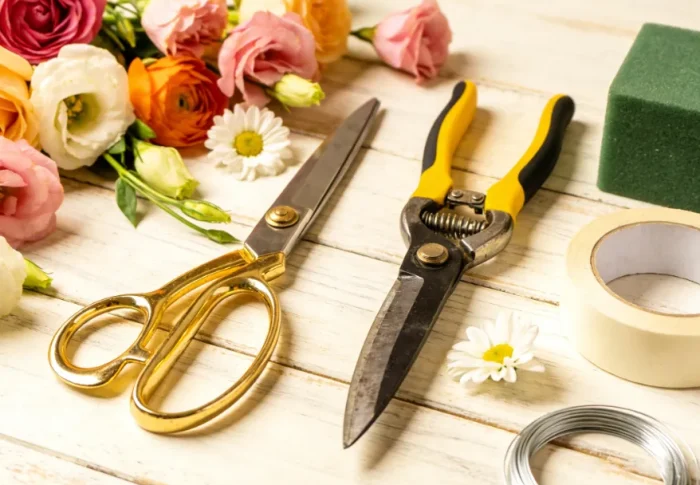
- ✂️ A simple pair of scissors
- 🥣 A shallow bowl or dish
- 🌿 A branch or leaf picked up during a walk
- 🌸 One flower you love (perfect or imperfect doesn’t matter)
Place the materials gently.
Let the angles guide you.
Let the space speak.
When you place a stem in water, you aren’t just arranging—you’re inviting nature and time into your home.
That alone changes the entire feeling of a room. 🍃
📈 Why Ikebana Is Becoming Popular Again
Interest in Ikebana has exploded across search engines and social media.
People are looking for:
- 🔍 “Japanese flower arranging tutorials”
- 🔍 “Ikebana for beginners”
- 🔍 “Zen home decor ideas”
- 🔍 “Minimalist floral art”
- 🔍 “Flower arranging for mindfulness”
On Instagram, Pinterest, and YouTube, people share:
- Their creative process
- Material selection
- Vase choices
- Before-and-after transformations
- The quiet joy of seeing the final piece completed
Each post becomes a small reminder to slow down and appreciate the present moment. 📸✨
🎐 Ikebana: A Silent Poem Made Visible
Someone once said that Ikebana is “a silent poem made visible.”
I couldn’t agree more.
When we place flowers in water, we do more than create decoration.
We allow nature, time, and impermanence to become part of our living space.
It’s quiet.
It’s understated.
But it’s deeply moving.
Simplicity, after all, is often the most powerful form of beauty. 🌾
And Ikebana is one of its most elegant expressions.