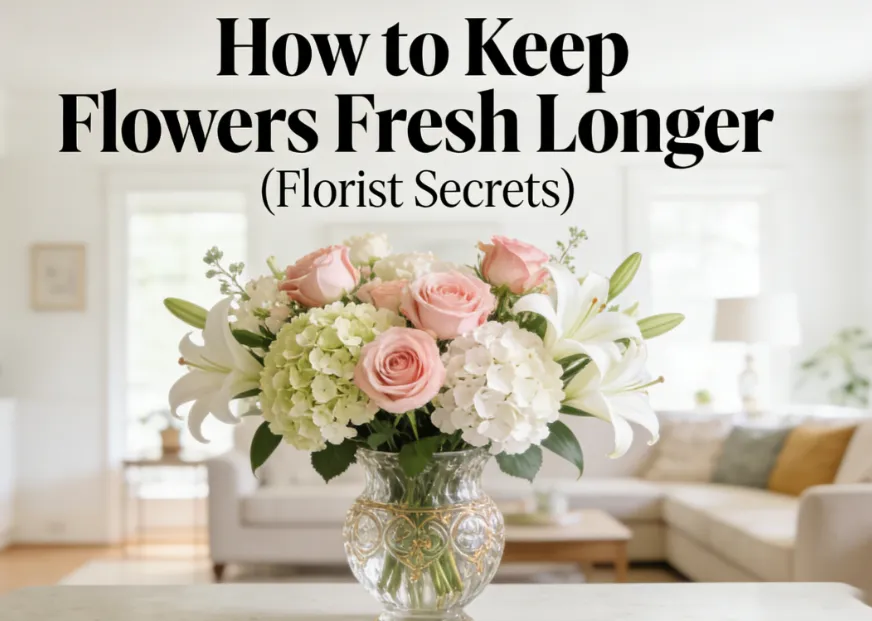
How to Keep Flowers Fresh Longer (Florist Secrets the Pros Don’t Want You to Know)
There’s nothing quite like walking into your home and being greeted by a vibrant bouquet of fresh flowers—whether it’s a grocery store bunch you treated yourself to, a romantic gift from your partner, or a handpicked arrangement from a local florist. The way they brighten a room, add a pop of color, and fill the air with a soft, natural fragrance is unbeatable. But let’s be honest: nothing crushes that joy faster than watching those once-lush blooms wilt, droop, and turn brown within just a few days. I’ve been a florist in downtown Chicago for over 12 years, and I’ve lost count of how many customers come in frustrated, saying, “My flowers never last more than 3 days—what am I doing wrong?”
The truth? Most people are making simple, avoidable mistakes that cut their flowers’ lifespan in half. And while big florists might not want you to know all our tricks (after all, we want you to come back for more!), I believe everyone deserves to enjoy their fresh flowers for as long as possible. Today, I’m spilling all the florist secrets—from the moment you pick up your bouquet to the day you say goodbye—to help you keep flowers fresh longer, make flowers last longer, and master essential flower care tips that will transform how you care for cut blooms forever.
This isn’t just another list of generic advice (we’ve all heard “change the water!” a million times). These are the insider hacks I use every day in my shop to keep arrangements looking fresh for weeks—even in the driest, most air-conditioned homes. Whether you’re a flower lover who can’t resist a weekly bouquet, a busy mom trying to add a little beauty to her space, or someone who wants to make their special occasion flowers last just a little longer, this guide is for you. Let’s dive in.
First: Understand Why Flowers Wilt (It’s Not Just “Old Age”)
Before we get to the secrets, let’s talk about the science behind wilting—because knowing why flowers die helps you know how to save them. When you cut a flower from its plant, you’re severing its lifeline: the stem, which carries water and nutrients from the roots to the blooms and leaves. Without that connection, the flower starts to dehydrate, and bacteria quickly builds up in the water, clogging the stem and preventing it from absorbing the moisture it needs. Add in heat, direct sunlight, or even nearby fruit, and you’ve got a recipe for a quick wilt.
Florists don’t just “keep flowers fresh”—we fight against this natural process with strategic steps that slow dehydration, kill bacteria, and give blooms the nutrients they need to stay vibrant. And the best part? You can do the same at home with items you probably already have in your kitchen. No fancy equipment, no expensive products—just simple, intentional care.
Florist Secret #1: The “First Impression” Hack (Most People Skip This Step)
The moment you bring your flowers home, you need to give them a “fresh start”—and I’m not talking about just plopping them in a vase. This is the most important step to make flowers last longer, and it’s the one I see people skip most often. Here’s what to do, step by step:
- Unwrap Immediately (But Be Gentle): Most flowers come wrapped in paper or plastic to protect them during transport. Take this off right away—trapped air and moisture will cause petals to wilt faster, especially for delicate blooms like roses, peonies, and lilies. Gently shake the bouquet to separate the stems, but don’t yank or pull—you don’t want to damage the delicate vascular system inside the stems.
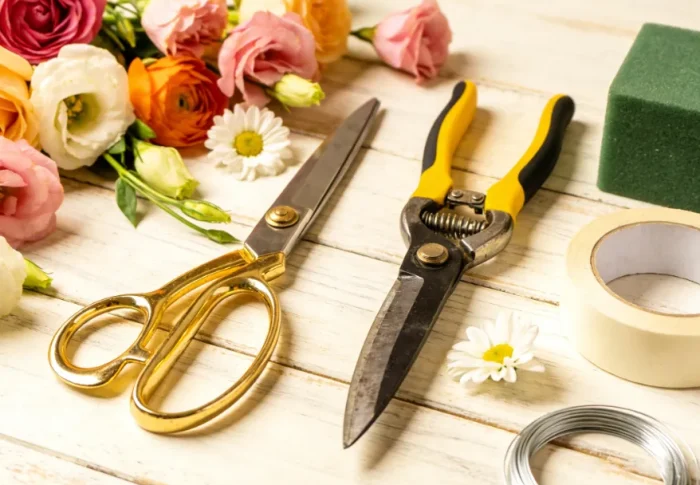
- Trim Stems (The Right Way): This is where 90% of people go wrong. Forget the “straight cut” you’ve been doing—florists always cut stems at a 45-degree angle, and here’s why: a diagonal cut increases the surface area of the stem, allowing it to absorb more water. But it’s not just the angle—you need to cut under running water (or in a bowl of water) to prevent air bubbles from getting trapped in the stem. Air bubbles block water flow, which is the #1 cause of premature wilting. Use a sharp pair of floral scissors or a knife—dull scissors crush the stem, making it harder for water to pass through. Cut 1–2 inches off the bottom of each stem, and if any stems are already mushy or brown, cut them back until you see fresh, green tissue.
- Remove Foliage Below the Water Line: Any leaves that sit in the water will rot, creating bacteria that clogs the stems. Strip off all leaves, thorns, and small buds that will be submerged in the vase—leave the leaves above the water line, as they help the flower photosynthesize and stay healthy. For roses, use a thorn stripper (or your fingers, gently!) to remove thorns without damaging the stem.
Pro Tip: If your flowers look a little droopy when you bring them home (this happens often during transport), give them a “deep drink” before trimming. Fill a clean bucket with room-temperature water, submerge all stems (leaves and all) except the flower heads, and let them soak for 2–4 hours. This rehydrates the blooms and brings them back to life—think of it as a “spa day” for your flowers. I do this with every bouquet in my shop, and it adds 3–5 days to their lifespan.
Florist Secret #2: The Vase Matters More Than You Think
You might think any vase will do, but the right vase can make a huge difference in how long your flowers stay fresh. Here’s what to look for (and what to avoid):
- Size & Shape: Choose a vase that’s tall enough to support the stems—ideally, the vase height should be about half the height of the flowers. If the vase is too short, the stems will lean over, causing the blooms to droop. If it’s too tall, the water won’t reach the upper parts of the stems. For full bouquets (like the ones you get for birthdays or anniversaries), use a wide-mouth vase to give the stems room to spread out—crowded stems block water flow and promote bacteria growth.
- Cleanliness Is Non-Negotiable: This is another big mistake: reusing a vase without cleaning it properly. Even if it looks clean, leftover bacteria from old flowers will quickly contaminate the new water, causing your flowers to wilt in days. Wash the vase with hot, soapy water, and use a bottle brush to scrub the inside (especially the bottom, where bacteria likes to hide). Rinse it thoroughly, and dry it completely before adding water—any leftover soap residue can harm the flowers.
- Avoid Metal Vases (Most of the Time): Metal vases can react with the water and flower food, creating chemicals that damage the stems. Stick to glass, ceramic, or plastic vases—they’re neutral and won’t interfere with the flowers’ health. The only exception? Copper vases, which can have mild antibacterial properties (but modern copper-plated vases don’t work as well as pure copper, so don’t stress if you don’t have one).
Bonus Hack: If you don’t have a vase tall enough for long-stemmed flowers (like roses or lilies), use a tall glass or mason jar—just make sure it’s clean! I’ve seen customers use everything from wine glasses to pitchers, and as long as it’s clean and the stems are supported, it works.
Florist Secret #3: The Water Trick (It’s Not Just “Change the Water”)
We’ve all heard “change the water every 2 days,” but that’s only half the story. The type of water you use, the temperature, and even how you add it all play a role in keeping flowers fresh. Here’s the florist-approved way to handle water:
- Use Room-Temperature Water: Cold water shocks the stems, causing them to contract and stop absorbing water. Hot water scalds the stems, damaging the vascular system. Room-temperature water (between 65–75°F) is perfect—it’s gentle and allows the stems to absorb moisture easily. If you only have cold water, let it sit out for 30 minutes to warm up before using it.
- Change the Water Every 1–2 Days (And Clean the Vase Again!): Even with flower food, bacteria builds up in the water over time. When you change the water, take a minute to re-trim the stems (another ¼–½ inch, at a 45-degree angle under running water) to remove any bacteria that’s formed on the cut end. This fresh cut ensures the stem can still absorb water effectively.
- Don’t Overfill the Vase: Most flowers only need 3–4 inches of water—overfilling the vase submerges more of the stem, increasing the chance of rot. For delicate flowers like hydrangeas (which are total water hogs), you can fill the vase a little more (6–8 inches), but still avoid submerging the flower heads.
Pro Tip: If your tap water is heavily chlorinated (you can smell the chlorine), let it sit out overnight before using it. Chlorine can damage the stems and shorten the flowers’ lifespan. Alternatively, use filtered water or bottled water—this is especially helpful for sensitive flowers like orchids and peonies.
Florist Secret #4: Flower Food (Use It—But Know How to Make It If You Don’t Have It)
Most bouquets come with a small packet of flower food—and I know, it’s easy to toss it aside or forget to use it. But flower food is a game-changer, and it’s one of the biggest secrets to making flowers last longer. Here’s why it works, and how to use it (plus a DIY alternative if you run out):
- What’s in Flower Food? Commercial flower food has three key ingredients: sugar (to feed the flowers and give them energy), an acidifier (to lower the pH of the water, making it easier for the stems to absorb), and a bactericide (to kill bacteria in the water). It’s a balanced mix that mimics the nutrients the flower would get from its plant, keeping it healthy and vibrant.
- How to Use It Correctly: Follow the instructions on the packet—don’t use more or less than recommended. Too much flower food can burn the stems, and too little won’t work. Dissolve the packet completely in room-temperature water before adding the flowers—if there are undissolved crystals, they can damage the stems.
- DIY Flower Food (When You Run Out): If you don’t have a packet of flower food, don’t worry—I’ve got a DIY version that works almost as well. Mix 1 teaspoon of sugar (for energy), 1 teaspoon of white vinegar (acidifier), and a few drops of bleach (bactericide) in 1 quart of room-temperature water. This mix will keep your flowers fresh for days, and it’s made with items you probably have in your pantry. For hydrangeas, add a pinch of baking soda instead of vinegar—it helps them absorb water better.
Myth Bust: I’ve heard people say “soda works instead of flower food” or “copper pennies keep flowers fresh.” Let’s set the record straight: soda (like Sprite or 7-Up) has sugar, but it also has artificial colors and flavors that promote bacteria growth—so it’s a bad idea. Copper pennies? Modern pennies are mostly zinc, not copper, so they don’t have enough antibacterial properties to make a difference. Stick to the DIY mix or commercial flower food—they’re the only ones that work reliably.
Florist Secret #5: Placement Is Everything (Avoid These “Death Zones”)
Where you put your flowers in your home can make or break their lifespan. Even if you do everything else right, placing them in the wrong spot will cause them to wilt quickly. Here are the “death zones” to avoid, and the best spots to keep your flowers fresh:
Death Zones to Avoid:
- Direct Sunlight: You might think flowers love sunlight, but cut flowers are different—direct sun causes them to dehydrate faster and fade. Even a few hours of direct morning sun can wilt delicate blooms like daisies and carnations. Keep your flowers in a spot with bright, indirect light (like near a window with a sheer curtain) instead.
- Near Fruit: This is a big one—ripe fruit (like apples, bananas, and tomatoes) releases ethylene gas, which is a natural plant hormone that accelerates aging. Even a bowl of fruit on the same table as your flowers can make them wilt in half the time. Keep your flowers at least 3 feet away from any fruit bowls or fruit baskets.
- Near Heat Sources: Radiators, vents, stoves, and even electronics (like TVs and laptops) give off heat, which dries out the air and causes flowers to wilt. Avoid placing your bouquet near any heat source—this includes fireplaces, microwaves, and even direct air from an air conditioner (cold drafts are just as bad as hot ones).
- Busy, Drafty Areas: High-traffic areas (like entryways or hallways) have constant drafts, which dry out the flowers. Keep your bouquet in a quiet, calm spot—like a dining table, bedroom nightstand, or living room shelf—where it won’t be exposed to constant air movement.
Best Spots for Fresh Flowers:
- Bright, Indirect Light: A spot near a north or east-facing window (with a sheer curtain) is perfect—enough light to keep the flowers healthy, but not enough to dry them out.
- Cool, Consistent Temperature: The ideal temperature for cut flowers is between 60–70°F. Avoid rooms that get too hot (above 75°F) or too cold (below 55°F)—both will shorten their lifespan.
- Away from Pets and Kids: Pets (especially cats) love to chew on flower stems, which can damage the flowers and be toxic to the pet. Kids might accidentally knock over the vase, so keep the bouquet in a spot where it’s safe and out of reach.
Pro Tip: If you have a cool basement or a spare room that stays between 60–65°F, move your flowers there overnight. This mimics the coolers florists use to keep flowers fresh, and it can add 2–3 days to their lifespan. Just make sure the room is dark (light accelerates aging) and away from fruit.
Florist Secret #6: Daily Care (5 Minutes a Day to Extend Lifespan)
You don’t need to spend hours caring for your flowers—just 5 minutes a day can make a huge difference. Here’s a quick daily routine to keep flowers fresh longer:
- Check the Water: Make sure the water level is still high enough (3–4 inches) and that it’s clear (if it’s cloudy, it’s time to change it).
- Remove Wilted Blooms and Leaves: If any flowers or leaves are starting to wilt, brown, or rot, remove them immediately. Wilted parts release ethylene gas, which speeds up the aging of the other flowers.
- Mist Delicate Blooms: For flowers like hydrangeas, peonies, and lilies, a light mist of room-temperature water on the petals can help keep them hydrated. Use a spray bottle with a fine mist—don’t drench the petals, as too much moisture can cause mold.
- Rotate the Vase: Every day, rotate the vase 180 degrees. This ensures all flowers get equal light, so they don’t lean toward the light source and droop.
Bonus Hack: For roses, remove any outer petals that look wilted or discolored—these are “guard petals” that protect the inner petals, and once they wilt, they can damage the rest of the flower. Gently peel them off, and your rose will look fresh and full for longer.
Florist Secret #7: Troubleshooting Common Problems (Fix Wilted Flowers Fast)
Even with the best care, sometimes flowers start to wilt—and that’s okay! Here are quick fixes for the most common problems, so you can save your bouquet and make it last longer:
- Wilting Stems: If the stems are wilted but the flowers are still in good shape, re-trim the stems (1–2 inches, 45-degree angle under running water) and place them in a bucket of room-temperature water for 1–2 hours. This rehydrates the stems and brings them back to life. For hydrangeas, submerge the entire flower head (gently!) in water for 30 minutes—they’ll perk up almost immediately.
- Cloudy Water: Cloudy water means bacteria is growing—change the water immediately, clean the vase, and re-trim the stems. Add fresh flower food or the DIY mix to the new water.
- Faded Petals: Faded petals are a sign of dehydration or too much light. Move the bouquet to a cooler, shadier spot, mist the petals, and make sure the water level is adequate. If the petals are severely faded, remove them to prevent ethylene gas from affecting the other flowers.
- Mold on Stems or Petals: Mold is caused by too much moisture and bacteria. Remove any moldy parts, change the water, and clean the vase. Avoid misting the petals too much, and make sure the vase is in a well-ventilated spot.
Florist Secret #8: Different Flowers, Different Care (Custom Tips for Popular Blooms)
Not all flowers are the same—some are tough and low-maintenance, while others are delicate and need extra care. Here are custom flower care tips for the most popular blooms, so you can tailor your care to make each one last as long as possible:
- Roses: Trim stems at a 45-degree angle, remove guard petals, and keep water level at 3–4 inches. Change water every 1–2 days, and add flower food. Avoid misting the petals (it can cause black spots). Roses can last 7–10 days with proper care.
- Hydrangeas: These are water hogs! Fill the vase with 6–8 inches of water, and mist the petals daily. If they wilt, submerge the entire flower head in water for 30 minutes. Hydrangeas can last 5–7 days.
- Lilies: Remove the yellow pollen stamens (they stain clothes and skin, and accelerate wilting). Trim stems at a 45-degree angle, and keep water level at 4–5 inches. Lilies are toxic to cats, so keep them out of reach. They can last 7–10 days.
- Peonies: These are delicate—trim stems at a 45-degree angle, and remove any foliage below the water line. Keep them in a cool spot, and mist the petals daily. Peonies can last 4–6 days (but they’re worth every minute!).
- Daisies: These are tough! Trim stems at a 45-degree angle, keep water level at 3–4 inches, and change water every 2–3 days. Daisies can last 5–7 days.
- Carnations: Trim stems at a 45-degree angle, and remove any lower leaves. They prefer cooler temperatures, so keep them in a cool spot. Carnations can last 7–10 days—they’re one of the longest-lasting cut flowers!
Final Thoughts: Enjoy the Beauty (Even When It Fades)
At the end of the day, cut flowers are temporary—they’re a reminder of the beauty of nature, and that’s part of their magic. But with these florist secrets, you can extend their lifespan, enjoy them for longer, and get the most out of every bouquet. Whether you’re treating yourself to a weekly bunch, celebrating a special occasion, or receiving a gift from someone you love, these flower care tips will help you keep flowers fresh, make flowers last longer, and create moments of joy in your home.
I’ve spent over a decade helping people fall in love with fresh flowers, and nothing makes me happier than seeing someone’s face light up when they realize their bouquet is still vibrant a week later. Now that you know the secrets, you can do the same—no fancy tools, no expensive products, just a little care and attention.
So the next time you bring home a bouquet, remember: trim the stems under water, use clean water and flower food, keep them away from fruit and heat, and check on them daily. You’ll be amazed at how much longer your flowers last—and how much joy they bring to your space.
Now go grab a bouquet, put these tips to the test, and enjoy the beauty of fresh flowers for days (or even weeks!) longer. Happy flower caring!